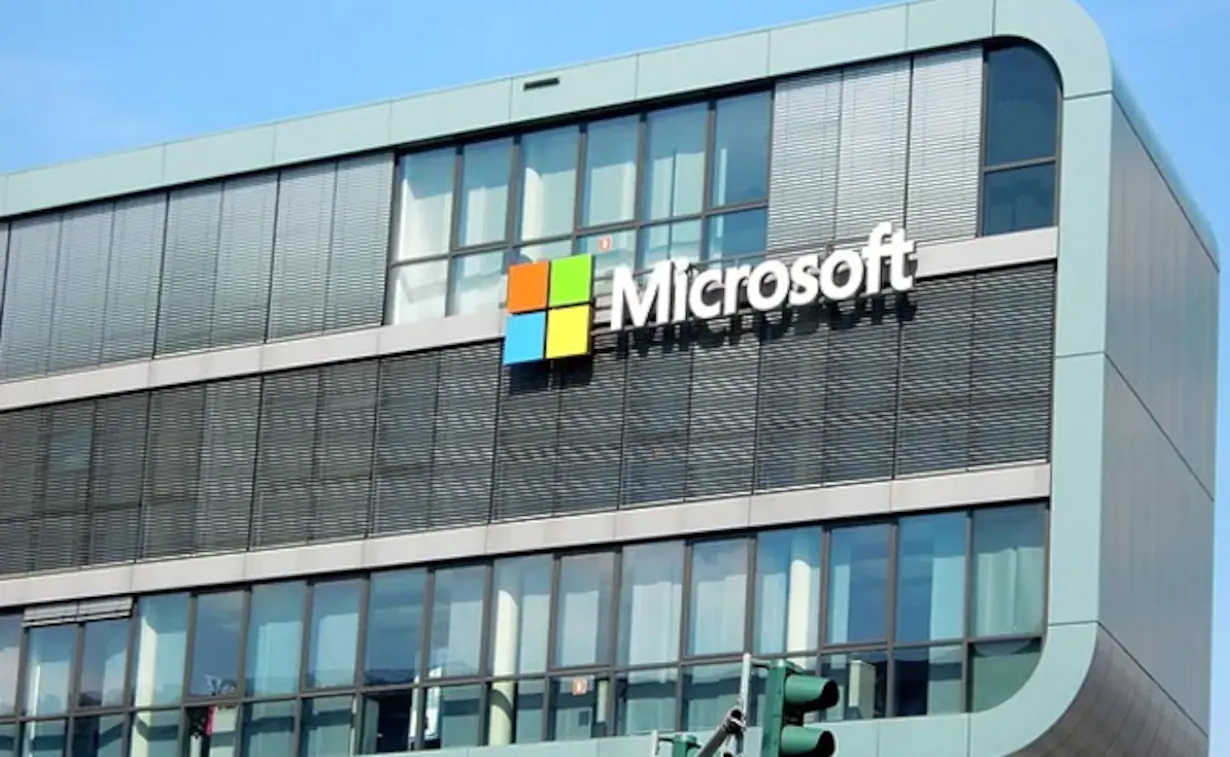
Microsoft bans Windows from Russia

Microsoft has cut out Russia from downloading ISO files for Windows 10 and Windows 11 as well as installation tools without any explanation or reason behind this.

microsoft

If you connect via VPN to a Russian server and try to download either ISO files or installation tools you will be greeted with the error 404 and an explanation of File or Directory not found or There was a problem with your request.

At this time you can still download Windows 11 Media creation tool but once you run it will throw a 0x80072F8F-0x20000 error with text: For some unknown reason, this tool failed to run on your computer.

People in Russia can still download files if they connect via VPN and go to a server located outside Russia.

Microsoft has not published any explanation why is this happening, it might be technical difficulty or it could be on purpose.

Other histories of Microsoft vs Russia

Since the beginning of the Russian military operation in Ukraine Microsoft has been putting restrictions on Russia starting with a suspension of all sales in March, next month in April Microsoft started suspending developer's accounts on GitHub linked to sanctioned companies and the suspension was even if the developer is not working for a given company or left it.

At the beginning of this month, Microsft laid off 400 employees inside Russia as they began scaling back operations in the country but has also stated that they would continue to provide services to all contractors and customers inside Russia so this sudden blocking of downloads is unexpected and it goes against their statement.

Do You Need Help with Your Device?

Our Team of Experts May Help
Troubleshoot.Tech Experts are There for You!
Replace damaged files
Restore performance
Free disk space
Remove Malware
Protects WEB browser
Remove Viruses
Stop PC freezing
GET HELP
Troubleshoot.Tech experts work with all versions of Microsoft Windows including Windows 11, with Android, Mac, and more.

Share this article:

You might also like

Error 740 Requested operation requires elevation
If you are trying to open a folder or run a program or delete a file but you encounter an error message instead saying, “Error (740), The requested operation requires elevation” on your Windows 10 computer, then this post should help. Make sure that you follow each one of the options given below carefully.

Option 1 – Always run the program as an administrator

There are some apps that require administrator privilege before they can be opened. So if you are got the “Error (740), The requested operation requires elevation” error when you try to open a particular app on your computer, you have to try opening it as administrator instead. On the other hand, if you are already using an administrator account or if you are a member of the administrator group, this option may not work for you so just proceed to the next one but if you’re only using a regular account, then follow these steps:
  • First, right-click on the app you are trying to open and select Properties.
  • After that, go to the Compatibility tab and check the checkbox labeled “Run this program as an administrator”.
  • Next, click the Apply and OK buttons and see if the app opens without any problem.

Option 2 – Try to change the folder permissions

If you encounter Error 740 while opening a folder, then you need to try changing the folder permissions.
  • First, right-click on the folder and click Properties.
  • Next, go to the Security tab and click the Advanced button.
  • After that, check the checkbox labeled, “Replace all child object permission entries with inheritable permission entries from this object” and then click the Apply and OK buttons to save the changes made.

Option 3 – Try disabling UAC

The User Account Control or UAC settings might be the one that’s responsible for Error 740 which is why you have to disable the User Account Control and then verify if it’s the one that triggers the error or not. To do that, simply search for “Change user account control settings” in the Taskbar search box and then drag the blue bar down to the bottom and click the OK button to save the change made.

Option 4 – Select the Elevate without prompting option in the Group Policy Editor

There is an option in the Group Policy Editor which allows you to disable the UAC prompt. Disabling the “Elevate without prompting” option can help in resolving Error 740 and to disable it, follow the steps below.
  • Tap the Win + R keys to open the Run dialog box.
  • Then type “gpedit.msc” in the field and hit Enter to open the Group Policy Editor.
  • Next, navigate to the following path:
Computer Configuration > Windows Settings > Security Settings > Local Policies > Security Options
  • From there, go to the Security Options folder where you can find a policy named “User Account Control: Behavior of the elevation prompt for administrators in Admin Approval Mode”. Double click on it to open its options.
  • Now select the Elevate without prompting option from the drop-down menu and click OK.
Read More
Fix Chrome Error ERR_ICANN_NAME_COLLISION
If you are browsing the internet using the Google Chrome browser in your Windows 10 computer but you suddenly encounter an error message that states, “ERR_ICAN_NAME_COLLISION”, read on as this post will walk you through in fixing the problem. Here’s the full content of the error message:
“The site can’t be reached, This site on the company, organization, or school intranet has the same URL as an external website. Try contacting your system administrator. ERR ICAN NAME COLLISION.”
This kind of error is caused by an error in a private namespace or a random redirection to an incorrect proxy server. There are several ways to fix this error. You can try to check the integrity of the Hosts file or check the proxy. You could also try to use the Registry Editor and apply some tweaks or remove any conflicting browser extensions or flush the DNS cache, as well as run a malware scan.

Option 1 – Try to check the integrity of the Hosts file

To check the integrity of the Hosts file, refer to the following steps:
  • You have to navigate to this path inside File Explorer: C:/Windows/System32/driversetc
  • After that, look for a file named “Hosts” and right-click on it, and open it with the Notepad app.
  • Next, make sure that you write the block URLs in your computer in the list and then save the file.
Note: There are times when you are logged in with administrator credentials and you may receive an error message. In such case, type “notepad” in the Start Search and right-click on Notepad from the search results, and then select the “Run as administrator” option. After that, open the Hosts file and make the necessary changes and save it.

Option 2 – Try to check the Proxy server

There are some users who reported that they’ve fixed the problem after they’ve disabled the use of a proxy server using the built-in way. Follow the steps below to disable the proxy server.
  • Tap the Win + R keys to open the Run dialog box.
  • Then type “inetcpl.cpl” in the field and hit Enter to pull up the Internet Properties.
  • After that, go to the Connections tab and select the LAN settings.
  • From there. Uncheck the “Use a Proxy Server” option for your LAN and then make sure that the “Automatically detect settings” option is checked.
  • Now click the OK and the Apply buttons.
  • Restart your PC.
Note: If you are using a third-party proxy service, you have to disable it.

Option 3 – Try to use the Registry Editor

Before you apply some registry tweaks, make sure that you create a System Restore point. Once you have that covered, follow these steps:
  • Tap the Win + R keys to open the Run utility and type “Regedit” in the field and tap Enter to open the Registry Editor.
  • After that, navigate to this registry key: HKEY_LOCAL_MACHINESYSTEMCurrentControlSetServicesTcpipParametersDataBasePath
  • Look for the default key and double click on it and make sure that its Value data is set as “C:/Windows/System32/driversetc”.
  • Now exit the Registry Editor and restart your computer to apply the changes made

Option 4 – Flush the DNS cache

You could also try to flush the DNS cache to fix the “ERR_ICAN_NAME_COLLISION” error. All you have to do is open Command Prompt as an administrator and then execute each one of the following commands sequentially to flush the DNS cache:
  • ipconfig/release
  • ipconfig/renew
  • ipconfig/flushdns

Option 5 – Get rid of any conflicting browser extensions

  • Open Chrome and press Alt + F keys.
  • Go to More tools and click Extensions to look for any suspicious browser extensions or toolbars.
  • Click the Recycle bin and select Remove.
  • Restart Chrome and press Alt + F keys again.
  • Proceed to On Startup and mark Open a specific page or set of pages.
  • To check if the browser hijacker is still active, click Set pages, if it is active, overwrite the URL.
Note: If removing the browser extensions or toolbars didn’t work, you can also try to reset your Google Chrome browser.
  • Open Google Chrome, then tap the Alt + F keys.
  • After that, click on Settings.
  • Next, scroll down until you see the Advanced option, once you see it, click on it.
  • After clicking the Advanced option, go to the “Restore and clean up option and click on the “Restore settings to their original defaults” option to reset Google Chrome.
  • Now restart Google Chrome.

Option 6 – Run a malware scan using Windows Defender

It is possible that your computer is infected with malware which could be why you’re getting the “ERR_ICAN_NAME_COLLISION” error. Thus, you need to scan your computer using Windows Defender.
  • Tap the Win + I keys to open Update & Security.
  • Then click on the Windows Security option and open Windows Defender Security Center.
  • Next, click on Virus & threat protection > Run a new advanced scan.
  • Now make sure that Full Scan is selected from the menu and then click the Scan Now button to get started.
Read More
Hard drive shows wrong free space
If you are using your computer and you notice that Hard drive shows high space utilization even if you only have a few applications installed on your computer, then you’ve come to the right place as this post will guide you on what you can do to sort this problem. Upon noticing the odd state of your hard drive and you check the actual volume that’s occupied by the apps in your drive and you see that they are not really occupying a lot of space. This kind of issue could indicate that your hard drive is not showing the correct value for the free storage space of the drive-in your Windows 10 computer. This kind of problem could be passed off as a system bug, however, it could also be a serious problem. In fact, as you are aware, there are hidden folders and files in your computer that could be occupying space and since most of them are associated with system applications, you might not realize it unless you thoroughly check the folders.

The most common causes of the issue are as follows:

  1. The system information folder might be utilizing a lot of space. If you wonder where the information for the system restore points is stored, they are stored in the system information folder which in turn is stored in the drive as a hidden file.
  2. An issue with system maintenance could cause the problem.
  3. Malware or some other software might have created an undetectable hidden file.
  4. Space could be occupied by the trashbin folder.
  5. These hidden files could occupy significant space in the folder, thus slowing down the system and impacting its performance. If you face this issue, try our suggestions and see if they help you.
  6. Run ChkDsk
  7. Clear all Junk files
  8. Reduce the space occupied by the system restore points
  9. Run the System Maintenance troubleshooter

Option 1 – Run CHKDSK utility to check the drive for errors

When it comes to some issues concerning the hard drive or removable devices, there is a utility in Windows that might help which is called “chkdsk”. To use it, follow the steps below.
  • Tap the Win + S keys to open the Search box.
  • Then type “command prompt” in the field and from the search results that appear, right-click on Command Prompt and select “Run as administrator”.
  • After opening an elevated command prompt, copy and paste the following command and hit Enter:
CHKDSK [volume [[path] filename]] [/F] [/V] [/R] [/X] [/C] [: size]]
Note: In the command given above, “[/F]” will try to fix the system errors while “[/R]” will be the one to fix the bad sectors.
  • Now if you are prompted to run CHKDSK after your reboot your PC, just tap Y and reboot your PC.
  • If CHKDSK is not able to find any errors, tap the Win + E keys and navigate the access window. From there, right-click on the concerned drive and click on Properties.
  • After opening Properties, click on the tab Tools and then click on the “Check” button under the Error-checking section.
  • Wait until the process is completed and then restart your computer.

Option 2 – Try to delete the temporary files

The error could be caused by some temporary or junk files in your computer and so you need to clear them up to fix the problem. You can achieve that using the Storage Sense feature.
  • Open Setting > System > Storage from the WinX Menu.
  • From there, you will see a list of all the local and connected storage devices along with the details on the free space. Make sure that Storage Sense is on.
  • Next, find a link that says “Free Up Space” and click it to open.
  • After that, a screen which is the built-in program in Windows 10 will appear and will scan your computer for the following junk files so you can free up disk space: 
    • Windows Upgrade Log Files
    • The system created Windows Error Reporting Files
    • Thumbnails
    • Temporary Internet Files
    • Previous Windows Installation Files
    • Delivery Optimisation Files
    • DirectX Shader Cache
  • Choose the files you want to get rid of and then click on the remove files option. Note that you’ll have an idea of the total size as you select any of the junk files listed above.
  • Now go to the “Free Up Space Now” section and click the Clean Now button. This will get rid of all the temporary or junk files in your computer and should hopefully fix the error.

Option 3 – Try to reduce the space occupied by the system restore points

In case you don’t know, system restore points actually occupy a significant space in your computer which is stored in the System Information folder. Thus, you need to check the size of this folder and unhide the folders and files and then click on the folder. The size of the folder should be displayed in the right pane of the window. To fix the storage space problem, you could delete all the old System Restore Points as well as Previous versions of files or you could also restrict the disk usage of the System Restore points.

Option 4 – Try to run the System Maintenance troubleshooter

The problem could also be caused by the System Maintenance and to fix it, you have to run the System Maintenance troubleshooter by following these steps:
  • In the Windows Search bar, type “control panel” and double click on Control Panel from the search results.
  • Next, go to this path: Control PanelAll Control Panel ItemsTroubleshootingSystem and Security.
  • After that, click on the System Maintenance troubleshooter to run it.
  • Once the process is completed, restart your computer.
Read More
What is and how to Remove Shortcut Virus
Shortcut virus is an easily spreadable and annoying combination of Worm and Trojan that hides all of your files and folders and then replaces them with shortcuts that look identical to replaced files and folders. Shortcut virusOnce disguised it will wait patiently for a user's click and once that happens it will replicate itself and further infect the system. This rapid spread can lead to stolen personal data, some system hick-ups, and other system-related issues. This malware mainly affects physical file transfer devices like for example and most USB drives, hard drives, and SD memory cards and it can easily transfer itself to the computer. The advantage of this shortcut virus comparing it to others is that it is mostly undetected by a vast variety of antivirus software. So running just anti-virus software maybe not be enough to remove it from your system. Luckily for all unfortunate users that have caught this annoyance, it can be easily removed fully manually in a short time.

How to Remove Virus from USB and other removable media

Firstly plugin USB, SD, or removable drive. The infection will transfer to your computer when the infected drive is plugged in so before we go to clean the computer itself, clean each removable drive that you have. Also know that infection will spread from computers into removable devices as well if it is not cleaned. Open the File Explorer and remember under which letter is removable drive registered. Open Command prompt but with administrator privileges and go to infected rive by typing its letter followed with “:” (for example D:) and press ENTER Once you have successfully gone to infected drive type in command prompt: Attrib -s -r -h /s /d *.* This will unlock all original files back into removable storage, next copy all files to your computer, and format the removable drive. Once the format is complete, unplug the removable device. Continue to clean all devices with the same method.

How to Permanently Remove a Shortcut Virus from Your PC

Now once we have cleaned all removable devices it is time to fully clean the PC Firstly open the task manager ( CTRL + SHIFT + ESC ), in the process tab find wscript.exe or wscript.vbs, right-click on it (or both if present), and select End Task. Now close the task manager and press Start. Inside start typing in registry editor to search for it and once found open it. Find the following key inside the registry editor: HKEY_CURRENT_USER/Software/Microsoft/Windows/CurrentVersion/Run In the right panel, look for any strange-looking key names, such as odwcamszas, WXCKYz, OUzzckky, etc. For each one, run a Google search to see if it's related to shortcut viruses. If any returns a positive match, right-click on them and select Delete. !!! Accidentally deleting an important key can cause Windows to become unstable, so double-check everything !!!. Close the Registry Editor Now press ⊞ WINDOWS + R to open the run dialog and type in it Msconfig followed by ENTER. Once the System Configuration window opens go to the Startup tab. In the Startup tab, look for any strange-looking .EXE or .VBS programs, select each one and click Disable. Close the Window. Once again open the run dialog and type inside %TEMP% and press ENTER in order to open the Windows temp folder. Inside this folder delete everything. Next in the File explorer go to C:\Users\[username]\AppData\Roaming\Microsoft\Windows\Start Menu\Programs\Startup Look for any strange-looking .EXE or .VBS files and delete them.
Read More
Change Font Size in Sticky Notes in Windows
Sticky Notes is one of the useful programs and in the early days, the option is available for users to change the font size of the text a lot easier. However, for some unknown reason, Microsoft decided to get rid of this feature in the latest Windows Update. One would expect that the feature will be replaced by an even more useful feature but it’s not which makes the Sticky Notes app worse than before. Worry not though for it doesn’t have to stay that way as there is another thing you can try to change the font size in your Sticky Notes app and that’s what we’re going to cover in this post. As mentioned, Microsoft removing this font feature is quite strange and in the past, users asked for this feature and since it’s no longer available, you can try following the steps given below to bring it back. And for that, you need to go to the Ease of Access section in the Settings app. Refer to the steps given below for more instructions. Step 1: First, tap the Win + I keys to open Settings and then go to the Ease of Access section. Step 2: After going to the Ease of Access menu and select Display from the list of options. Step 3: From there, you should see an option that says “Make text bigger”. And then use your mouse to navigate to the slider to change the size of the font. Note: Take note that after doing all the steps above, it will change not just the Sticky Notes app but also everything in Windows 10. This method is actually the best since it only changes the size of the apps rather than a wholesale change in your Windows 10 computer. Step 4: Next, scroll under Display until you see the “Change the size of apps and text on the main display” option where you’ll see that the option is 100% but you’ll want to change that to 125%. Step 5: After that, click on the drop-down menu and select 125% and then restart your Windows 10 computer. Step 6: Now open the Sticky Notes app and check if you can now change the font size in the Sticky Notes app.
Read More
InboxAce Removal Tutorial

InboxAce is a browser extension for Google Chrome developed by Mindspark and gives users easy access to the most popular email clients with just 1 click away. This extension changes your default search engine, as well as your home page to MyWay.com. Several anti-virus scanners have marked this extension as a Browser Hijacker due to its information mining nature.

While installing this extension monitors user browsing activities. It logs the website you visit, the links you click, the products you buy, basically everything that you do in a browser. This information is later used to display unwanted targeted ads that are injected into your search results.

About Browser Hijackers

Browser hijacking means that a malicious code has power over and modified the settings of your internet browser, without your consent. Browser hijacker malware is designed for many different reasons. Typically, it will drive users to particular websites which are looking to increase their advertising campaign revenue. Many people believe that these kinds of sites are legitimate and harmless but that is incorrect. Almost every browser hijacker poses an actual threat to your online safety and it is vital to classify them under privacy risks. Browser hijackers can also permit other malicious programs without your knowledge to further damage the computer.

How to determine if your browser has been hijacked

Signs that an internet browser is hijacked include: the home page of your respective browser is changed unexpectedly; you observe new unwanted favorites or bookmarks added, usually directed to ad-filled or pornography sites; default online search engine is modified; find new toolbars which you did not add; unstoppable flurries of popup advertisements show up on your computer screen; your browser gets slow, buggy, crashes very often; Inability to navigate to particular sites, especially anti-malware and also other security software sites.

How it infects your PC

Browser hijackers might use drive-by downloads or file-sharing websites or an e-mail attachment in order to reach a targeted computer. They also come from add-on applications, also known as browser helper objects (BHO), browser extensions, or toolbars. Other times you may have unintentionally accepted a browser hijacker as part of a software bundle (usually freeware or shareware). A good example of some notorious browser hijackers includes Conduit, Anyprotect, Babylon, DefaultTab, SweetPage, Delta Search, and RocketTab, but the names are continually changing. Browser hijackers can disrupt the user’s web surfing experience greatly, record the websites frequented by users and steal private information, cause problems in connecting to the internet, and then finally create stability problems, making applications and systems crash.

Tips on how to get rid of browser hijackers

Some types of browser hijackers can be effortlessly removed from your PC by deleting malicious software or any other recently installed freeware. But, most hijackers are extremely tenacious and need specialized applications to eliminate them. And there’s no denying the very fact that the manual repairs and removal methods could be a difficult job for a novice PC user. On top of that, there are many risks connected with tinkering around with the system registry files. Anti-malware software is very effective with regards to picking up and eliminating browser hijackers that normal anti-virus application has overlooked. SafeBytes Anti-Malware will counter persistent browser hijackers and provide you real-time computer protection against all types of malware. In addition to anti-malware, a system optimizer program, similar to Total System Care, could help you fix Windows registry errors, get rid of unwanted toolbars, secure your online privacy, and increase overall computer performance.

Find Out How To Install Safebytes Anti-Malware On An Infected PC

Malware can cause all sorts of damage once they invade your computer, starting from stealing your personal details to deleting files on your computer system. Some malware goes to great lengths to stop you from installing anything on your computer system, particularly antivirus programs. If you’re reading this, odds are you’re stuck with a malware infection that is preventing you to download or install the Safebytes Anti-Malware program on your PC. There are a few fixes you could try to get around with this particular problem.

Remove viruses in Safe Mode

If any virus is set to run automatically when Windows starts, entering Safe Mode could very well block this attempt. Just the minimum required programs and services are loaded when you start your PC into Safe Mode. The following are the steps you have to follow to boot into the Safe Mode of your Windows XP, Vista, or 7 computers (visit Microsoft website for instructions on Windows 8 and 10 computers). 1) At power-on/startup, tap the F8 key in 1-second intervals. This will bring up the Advanced Boot Options menu. 2) Use the arrow keys to choose Safe Mode with Networking and press ENTER. 3) When you are into this mode, you should have online access once again. Now, make use of your browser normally and navigate to https://safebytes.com/products/anti-malware/ to download and install Safebytes Anti-Malware. 4) After installation, do a full scan and let the program eliminate the threats it finds.

Switch over to an alternate web browser

Some viruses may target vulnerabilities of a particular web browser that block the downloading process. If you’re not able to download the security software using Internet Explorer, this means malware could be targeting IE’s vulnerabilities. Here, you must switch to another browser such as Firefox or Chrome to download Safebytes software.

Make a bootable USB anti-virus drive

Another option is to save and operate an anti-malware program completely from a Thumb drive. Adopt these measures to run the antivirus on the affected computer. 1) On a clean computer, install Safebytes Anti-Malware. 2) Plug the Thumb drive into the clean computer. 3) Double click on the exe file to open the installation wizard. 4) When asked, select the location of the USB drive as the place where you would like to put the software files. Follow activation instructions. 5) Unplug the pen drive. You may now utilize this portable anti-virus on the affected computer system. 6) Double click the EXE file to open the Safebytes tool right from the pen drive. 7) Simply click “Scan Now” to run a complete scan on the affected computer for viruses.

A Look at the Best AntiMalware Program

If you are looking to download the anti-malware program for your PC, there are various tools in the market to consider but you just cannot trust blindly anyone, irrespective of whether it is paid or free program. Some are very good ones, some are ok types, and some are just bogus anti-malware programs that could ruin your computer themselves! You should select one that is dependable, practical, and has a strong reputation for its malware source protection. When considering commercial antimalware tool options, many people select well-known brands, such as SafeBytes, and they are quite happy with it. SafeBytes is a powerful, real-time anti-malware application that is designed to assist the typical computer end user in safeguarding their computer from malicious internet threats. When you have installed this software, SafeByte's state-of-the-art protection system will make sure that no viruses or malware can seep through your personal computer.

SafeBytes anti-malware takes PC protection to a totally new level with its enhanced features. Here are some of the features you will like in SafeBytes.

World-class AntiMalware Protection: Built on a greatly acclaimed anti-virus engine, this malware removal application can detect and remove numerous obstinate malware threats like browser hijackers, PUPs, and ransomware that other typical antivirus programs will miss. Active Protection: SafeBytes gives you round-the-clock protection for your computer limiting malware intrusions instantly. This software will constantly keep track of your computer for suspicious activity and updates itself continuously to keep abreast of the constantly changing threat landscape. Extremely Speed Scanning: SafeBytes’s virus scan engine is one of the fastest and most efficient in the industry. Its targeted scanning highly increases the catch rate for malware that is embedded in various computer files. Safe Web Browsing: SafeBytes checks and gives a unique safety rating to each and every website you visit and block access to web pages known to be phishing sites, thus protecting you from identity theft, or known to contain malicious software. Light-weight: SafeBytes gives total protection from online threats at a fraction of the CPU load because of its advanced detection engine and algorithms. Premium Support: Skilled technicians are at your disposal 24/7! They will promptly resolve any technical issues you might be experiencing with your security software. On the whole, SafeBytes Anti-Malware is a solid program as it has lots of features and could detect and remove any potential threats. You can rest assured that your PC will be protected in real-time as soon as you put this tool to use. You will get the very best all-around protection for the money you spend on SafeBytes anti-malware subscription, there is no doubt about it.

Technical Details and Manual Removal (Advanced Users)

If you’d like to manually get rid of InboxAce without the use of an automated tool, it may be actually possible to do so by removing the program from the Microsoft Windows Add/Remove Programs menu, or in cases of web browser plug-ins, going to the browsers AddOn/Extension manager and removing it. It is also highly recommended to factory reset your browser settings to their default state. If you choose to manually delete the system files and registry entries, utilize the following list to ensure that you know precisely what files to remove before executing any actions. But bear in mind, this can be a tricky task and only computer professionals could accomplish it safely. Also, certain malware is capable of replicating itself or preventing deletion. You’re urged to do this process in Safe Mode.
Files: Search and Delete: 1gauxstb.dll 1gbar.dll 1gbarsvc.exe 1gbprtct.dll 1gbrmon.exe 1gbrstub.dll 1gdatact.dll 1gdlghk.dll 1gdyn.dll 1gfeedmg.dll 1ghighin.exe 1ghkstub.dll 1ghtmlmu.dll 1ghttpct.dll 1gidle.dll 1gieovr.dll 1gimpipe.exe 1gmedint.exe 1gmlbtn.dll 1gmsg.dll 1gPlugin.dll 1gradio.dll 1gregfft.dll 1greghk.dll 1gregiet.dll 1gscript.dll 1gskin.dll 1gsknlcr.dll 1gskplay.exe 1gSrcAs.dll 1gSrchMn.exe 1gtpinst.dll 1guabtn.dll AppIntegrator64.exe AppIntegratorStub64.dll BOOTSTRAP.JS chromegffxtbr.jar CHROME.MANIFEST CREXT.DLL CrExtP1g.exe DPNMNGR.DLL EXEMANAGER.DLL Hpg64.dll INSTALL.RDF installKeys.js LOGO.BMP NP1gStub.dll T8EXTEX.DLL T8EXTPEX.DLL T8HTML.DLL T8RES.DLL T8TICKER.DLL VERIFY.DLL s_pid.dat 1gEIPlug.dll 1gEZSETP.dll NP1gEISb.dll 000653A1.exe Folders: %APPDATA%\InboxAce_1g\ %PROGRAMFILES%\InboxAce_1g\ %PROGRAMFILES%\InboxAce_1gEI\ Registry: Key HKLM\SOFTWARE\Classes\InboxAce_1g.DynamicBarButton Key HKLM\SOFTWARE\Classes\InboxAce_1g.DynamicBarButton\CLSID Key HKLM\SOFTWARE\Classes\InboxAce_1g.DynamicBarButton\CurVer Key HKLM\SOFTWARE\Classes\InboxAce_1g.DynamicBarButton.1 Key HKLM\SOFTWARE\Classes\InboxAce_1g.DynamicBarButton.1\CLSID Key HKLM\SOFTWARE\Classes\InboxAce_1g.FeedManager Key HKLM\SOFTWARE\Classes\InboxAce_1g.FeedManager\CLSID Key HKLM\SOFTWARE\Classes\InboxAce_1g.FeedManager\CurVer Key HKLM\SOFTWARE\Classes\InboxAce_1g.FeedManager.1 Key HKLM\SOFTWARE\Classes\InboxAce_1g.FeedManager.1\CLSID Key HKLM\SOFTWARE\Classes\InboxAce_1g.HTMLMenu Key HKLM\SOFTWARE\Classes\InboxAce_1g.HTMLMenu\CLSID Key HKLM\SOFTWARE\Classes\InboxAce_1g.HTMLMenu\CurVer Key HKLM\SOFTWARE\Classes\InboxAce_1g.HTMLMenu.1 Key HKLM\SOFTWARE\Classes\InboxAce_1g.HTMLMenu.1\CLSID Key HKLM\SOFTWARE\Classes\InboxAce_1g.HTMLPanel Key HKLM\SOFTWARE\Classes\InboxAce_1g.HTMLPanel\CLSID Key HKLM\SOFTWARE\Classes\InboxAce_1g.HTMLPanel\CurVer Key HKLM\SOFTWARE\Classes\InboxAce_1g.HTMLPanel.1 Key HKLM\SOFTWARE\Classes\InboxAce_1g.HTMLPanel.1\CLSID Key HKLM\SOFTWARE\Classes\InboxAce_1g.MultipleButton Key HKLM\SOFTWARE\Classes\InboxAce_1g.MultipleButton\CLSID Key HKLM\SOFTWARE\Classes\InboxAce_1g.MultipleButton\CurVer Key HKLM\SOFTWARE\Classes\InboxAce_1g.MultipleButton.1 Key HKLM\SOFTWARE\Classes\InboxAce_1g.MultipleButton.1\CLSID Key HKLM\SOFTWARE\Classes\InboxAce_1g.PseudoTransparentPlugin Key HKLM\SOFTWARE\Classes\InboxAce_1g.PseudoTransparentPlugin\CLSID Key HKLM\SOFTWARE\Classes\InboxAce_1g.PseudoTransparentPlugin\CurVer Key HKLM\SOFTWARE\Classes\InboxAce_1g.PseudoTransparentPlugin.1 Key HKLM\SOFTWARE\Classes\InboxAce_1g.PseudoTransparentPlugin.1\CLSID Key HKLM\SOFTWARE\Classes\InboxAce_1g.Radio Key HKLM\SOFTWARE\Classes\InboxAce_1g.Radio\CLSID Key HKLM\SOFTWARE\Classes\InboxAce_1g.Radio\CurVer Key HKLM\SOFTWARE\Classes\InboxAce_1g.Radio.1 Key HKLM\SOFTWARE\Classes\InboxAce_1g.Radio.1\CLSID Key HKLM\SOFTWARE\Classes\InboxAce_1g.RadioSettings Key HKLM\SOFTWARE\Classes\InboxAce_1g.RadioSettings\CLSID Key HKLM\SOFTWARE\Classes\InboxAce_1g.RadioSettings\CurVer Key HKLM\SOFTWARE\Classes\InboxAce_1g.RadioSettings.1 Key HKLM\SOFTWARE\Classes\InboxAce_1g.RadioSettings.1\CLSID Key HKLM\SOFTWARE\Classes\InboxAce_1g.ScriptButton Key HKLM\SOFTWARE\Classes\InboxAce_1g.ScriptButton\CLSID Key HKLM\SOFTWARE\Classes\InboxAce_1g.ScriptButton\CurVer Key HKLM\SOFTWARE\Classes\InboxAce_1g.ScriptButton.1 Key HKLM\SOFTWARE\Classes\InboxAce_1g.ScriptButton.1\CLSID Key HKLM\SOFTWARE\Classes\InboxAce_1g.SettingsPlugin Key HKLM\SOFTWARE\Classes\InboxAce_1g.SettingsPlugin\CLSID Key HKLM\SOFTWARE\Classes\InboxAce_1g.SettingsPlugin\CurVer Key HKLM\SOFTWARE\Classes\InboxAce_1g.SettingsPlugin.1 Key HKLM\SOFTWARE\Classes\InboxAce_1g.SettingsPlugin.1\CLSID Key HKLM\SOFTWARE\Classes\InboxAce_1g.SkinLauncher Key HKLM\SOFTWARE\Classes\InboxAce_1g.SkinLauncher\CLSID Key HKLM\SOFTWARE\Classes\InboxAce_1g.SkinLauncher\CurVer Key HKLM\SOFTWARE\Classes\InboxAce_1g.SkinLauncher.1 Key HKLM\SOFTWARE\Classes\InboxAce_1g.SkinLauncher.1\CLSID Key HKLM\SOFTWARE\Classes\InboxAce_1g.SkinLauncherSettings Key HKLM\SOFTWARE\Classes\InboxAce_1g.SkinLauncherSettings\CLSID Key HKLM\SOFTWARE\Classes\InboxAce_1g.SkinLauncherSettings\CurVer Key HKLM\SOFTWARE\Classes\InboxAce_1g.SkinLauncherSettings.1 Key HKLM\SOFTWARE\Classes\InboxAce_1g.SkinLauncherSettings.1\CLSID Key HKLM\SOFTWARE\Classes\InboxAce_1g.ThirdPartyInstaller Key HKLM\SOFTWARE\Classes\InboxAce_1g.ThirdPartyInstaller\CLSID Key HKLM\SOFTWARE\Classes\InboxAce_1g.ThirdPartyInstaller\CurVer Key HKLM\SOFTWARE\Classes\InboxAce_1g.ThirdPartyInstaller.1 Key HKLM\SOFTWARE\Classes\InboxAce_1g.ThirdPartyInstaller.1\CLSID Key HKLM\SOFTWARE\Classes\InboxAce_1g.ToolbarProtector Key HKLM\SOFTWARE\Classes\InboxAce_1g.ToolbarProtector\CLSID Key HKLM\SOFTWARE\Classes\InboxAce_1g.ToolbarProtector\CurVer Key HKLM\SOFTWARE\Classes\InboxAce_1g.ToolbarProtector.1 Key HKLM\SOFTWARE\Classes\InboxAce_1g.ToolbarProtector.1\CLSID Key HKLM\SOFTWARE\Classes\InboxAce_1g.UrlAlertButton Key HKLM\SOFTWARE\Classes\InboxAce_1g.UrlAlertButton\CLSID Key HKLM\SOFTWARE\Classes\InboxAce_1g.UrlAlertButton\CurVer Key HKLM\SOFTWARE\Classes\InboxAce_1g.UrlAlertButton.1 Key HKLM\SOFTWARE\Classes\InboxAce_1g.UrlAlertButton.1\CLSID Key HKLM\SOFTWARE\Classes\InboxAce_1g.XMLSessionPlugin Key HKLM\SOFTWARE\Classes\InboxAce_1g.XMLSessionPlugin\CLSID Key HKLM\SOFTWARE\Classes\InboxAce_1g.XMLSessionPlugin\CurVer Key HKLM\SOFTWARE\Classes\InboxAce_1g.XMLSessionPlugin.1 Key HKLM\SOFTWARE\Classes\InboxAce_1g.XMLSessionPlugin.1\CLSID Key HKLM\SOFTWARE\MozillaPlugins\@InboxAce_1g.com/Plugin Key HKLM\SOFTWARE\InboxAce_1g Key HKLM\SYSTEM\CurrentControlSet\Enum\Root\LEGACY_INBOXACE_1GSERVICE Key HKLM\SYSTEM\CurrentControlSet\Enum\Root\LEGACY_INBOXACE_1GSERVICE%#MANIFEST#%00 Key HKLM\SYSTEM\CurrentControlSet\Enum\Root\LEGACY_INBOXACE_1GSERVICE%#MANIFEST#%00\Control Key HKLM\SYSTEM\CurrentControlSet\Services\InboxAce_1gService Key HKLM\SYSTEM\CurrentControlSet\Services\InboxAce_1gService\Security Key HKLM\SYSTEM\CurrentControlSet\Services\InboxAce_1gService\Enum Key HKCU\Software\InboxAce_1g Key HKLM\SOFTWARE\Microsoft\Windows\CurrentVersion\Run\ Value: InboxAce Search Scope Monitor Data: C:\PROGRA~1\INBOXA~2\bar.bingsrchmn.exe /m=2 /w /h Key HKLM\SOFTWARE\Microsoft\Windows\CurrentVersion\Run\ Value: InboxAce_1g Browser Plugin Loader Data: C:\PROGRA~1\INBOXA~2\bar.bingbrmon.exe00\Control Key HKLM\SYSTEM\CurrentControlSet\Services\InboxAce_1gService Key HKLM\SYSTEM\CurrentControlSet\Services\InboxAce_1gService\Security Key HKLM\SYSTEM\CurrentControlSet\Services\InboxAce_1gService\Enum Key HKCU\Software\InboxAce_1g Key HKLM\SOFTWARE\Microsoft\Windows\CurrentVersion\Run\ Value: InboxAce Search Scope Monitor Data: C:\PROGRA~1\INBOXA~2\bar.bingsrchmn.exe /m=2 /w /h Key HKLM\SOFTWARE\Microsoft\Windows\CurrentVersion\Run\ Value: InboxAce_1g Browser Plugin Loader Data: C:\PROGRA~1\INBOXA~2\bar.bingbrmon.exe
Read More
An Easy Fix For Error 2032

What is Error 2032?

Error 2032 is a Windows stream error. The error is generated when running applications like Flash. It shows that the application is unable to request ads from server.

Error Causes

The error 2032 is triggered due to multiple reasons including:
  • The URL cannot be located or is blocked
  • HTTP Service is not found
  • Incorrect proxy settings
  • Automatic cookies handling
  • Corrupt Flash Player
  • Viral infection
  • Registry issues

Further Information and Manual Repair

Here are some easy and best do it yourself methods to resolve the error 2032 on your system:

Fix the Proxy Settings

To do this, first, go to the start menu and press RUN, type regedit in the RUN box and press enter. Now from the left-hand panel of the registry path open: HKEY_CURRENT_USERSoftwareMicrosoftWindowsCurrentVersionInternet Settings. Now double click the proxyenable string and replace its value with 0. After that, right-click on proxy server and select delete option. Then exit Regedit and restart your PC to activate changes.

Verify the URL

Sometimes the error 2032 may be generated due to wrong or incorrect URL in the HTTP Service URL property. So, verify your URL and look for typos. Specifying the correct URL can fix the error right away.

Check Cookies Handling

Automatic cookies handling can also trigger this error code. Therefore, to resolve the error, it is advisable to disable automatic cookies handling. This can be done by launching your web browser. Go to tools and then press the privacy tab. Now click on the advance tab from settings and un-check override automatic cookie handling. To confirm changes press OK.

Uninstall and then Reinstall the Flash Player

It is possible your Flash Player is corrupt. Therefore, another way to fix error 2032 is to uninstall the Flash Player and then reinstall it on your system.

Scan for Viruses

Programs usually get corrupted due to two reasons, viruses or registry issues. Therefore, to remove viruses on your PC, download and run an antivirus program.

Clean and Restore Registry

Also, clean the registry.
Read More
Fix STOP 0XC000021A, error in Windows 10
Upgrading your Windows computer may not always go as expected as you could end up getting some error messages along the way. One of the error messages you can encounter is the “STOP 0XC000021A or STATUS_SYSTEM_PROCESS_TERMINATED” error. This error indicates that is some security issue within the Windows operating system. It could be that the system files have an issue and they have been modified incorrectly. Although this does not necessarily mean that malware is behind the modification, one of the applications you installed recently might have something to do with the problem. The application might have modified or corrupted some of the core system files. When you encounter this error, you will see a blue screen along with the following error message:
“Your PC ran into a problem and needs to restart. We’re just collecting some error info, and then we’ll restart for you. (0% complete) If you’d like to know more, you can search online later for this error: 0xc000021a”
This error pops up when a user-mode subsystem like the WinLogon or the Client Server Run-Time Subsystem or CSRSS has been compromised fatally and security can no longer be guaranteed in the system. Thus, the operating system switches to kernel mode, and Windows won’t be able to run without the WinLogon or the Client Server Run-Time Subsystem. This is why it’s one of the few cases where the failure of a user-mode service can shut down the system. To resolve the issue, here are some fixes that might help.

Option 1 – Uninstall programs you installed lately

  • In the search box, type in “control” and then click on Control Panel (desktop app) among the search results.
  • After that, select Programs and Features from the list which will give you a list of all the programs installed on your computer.
  • From there, look for the concerned program and select it and then uninstall it.
Note: If you have downloaded the app from the Windows Store, you can simply right-click on it from the application list and then uninstall it.

Option 2 – Perform System Restore

Performing System Restore can also help you fix the “STOP 0XC000021A or STATUS_SYSTEM_PROCESS_TERMINATED” error. You can do this option either by booting into Safe Mode or in System Restore. If you are already in the Advanced Startup Options, just directly select System Restore and proceed with the next steps. And if you have just booted your PC into Safe Mode, refer to the steps below.
  • Tap the Win + R keys to open the Run dialog box.
  • After that, type in “sysdm.cpl” in the field and tap Enter.
  • Next, go to the System Protection tab then click the System Restore button. This will open a new window where you have to select your preferred System Restore point.
  • After that, follow the on-screen instructions to finish the process and then restart your computer and check if the problem is fixed or not.

Option 3 – Run the System File Checker or SFC scan

System File Checker or SFC is a built-in command utility that helps in restoring corrupted files as well as missing files. It replaces bad and corrupted system files to good system files that might be the cause why you’re getting the “STOP 0XC000021A or STATUS_SYSTEM_PROCESS_TERMINATED” error. To run the SFC command, follow the steps given below.
  • Tap Win + R to launch Run.
  • Type in cmd in the field and tap Enter.
  • After opening Command Prompt, type in sfc /scannow
The command will start a system scan which will take a few whiles before it finishes. Once it’s done, you could get the following results:
  1. Windows Resource Protection did not find any integrity violations.
  2. Windows Resource Protection found corrupt files and successfully repaired them.
  3. Windows Resource Protection found corrupt files but was unable to fix some of them.

Option 4 – Rebuild the BCD and fix MBR

Rebuilding the BCD can help you in fixing the “STOP 0XC000021A or STATUS_SYSTEM_PROCESS_TERMINATED” error.
  • You can start by booting into the installation environment for Windows 10 from an installation media.
  • After that, click on Repair your computer and on the blue screen, select Troubleshoot and then select the Advanced options menu.
  • Next, select Command Prompt and type in the commands below one by one, and tap Enter right after you do so.
  • exe /FixMbr
  • exe /FixBoot
    • exe /RebuildBcd
The commands you entered should rebuild the BCD and repair MBR.

Option 5 – Run the CHKDSK utility

You can also run the Chkdsk utility to resolve the problem. If your hard drive has issues with integrity, the update will really fail as the system will think that it’s not healthy and that’s where the Chkdsk utility comes in. The Chkdsk utility repairs hard drive errors that might be causing the problem.
  • Open Command Prompt with admin privileges.
  • After opening Command Prompt, execute the commands listed below, and don’t forget to hit Enter right after you type in each one of them.
  • chkntfs /t
  • chkntfs /t:10
Read More
Website isn’t responding to connection
If there are any third-party add-ons or proxy settings that interfere with your Windows 10 computer’s internet connection, then you will most likely encounter a problem where you see an error message saying, “Website is online but isn’t responding to connection attempts” when you try to run the Network Adapter troubleshooter. Like pointed out, this kind of error can be caused by some proxy settings that prevent the connection. On the other hand, it could also be caused by some third-party add-ons. To fix this error, read on as this post will guide you on what you can do to fix it. You can try to turn off the proxy settings or disable the add-ons on your browser. You can also try resetting both the TCP/IP and DNS as well as reset the network. For more details, refer to the options provided below.

Option 1 – Try to turn off the proxy settings

There are some users who reported that they’ve fixed the problem after they’ve disabled the use of a proxy server using the built-in way. Follow the steps below to disable the proxy server.
  • Tap the Win + R keys to open the Run dialog box.
  • Then type “inetcpl.cpl” in the field and hit Enter to pull up the Internet Properties.
  • After that, go to the Connections tab and select the LAN settings.
  • From there. Uncheck the “Use a Proxy Server” option for your LAN and then make sure that the “Automatically detect settings” option is checked.
  • Now click the OK and the Apply buttons.
  • Restart your PC.
Note: If you are using a third-party proxy service, you have to disable it.

Option 2 – Try disabling the add-ons or browser extensions

The next thing you can do to fix the problem is to disable any extensions or add-ons on your browser. For instance, if you are using Chrome, here’s what you have to do:
  • Open Chrome and press Alt + F keys.
  • Go to More tools and click Extensions to look for any suspicious browser extensions or toolbars.
  • Click the Recycle bin and select Remove.
  • Restart Chrome and press Alt + F keys again.
  • Proceed to On Startup and mark Open a specific page or set of pages.
  • To check if the browser hijacker is still active, click Set pages, if it is active, overwrite the URL.

Option 3 – Try to update the Network Adapter Driver

Follow the steps below to update your Network Adapter Driver:
  • Tap the Win + R keys to launch the Run window and then type in the “MSC” command and hit Enter to open the Device Manager window.
  • From there, expand the list of all the network drives and update each one of them.
Note: If updating the network drivers didn’t help in fixing the problem, you can also try to uninstall the very same drivers and restart your Windows 10 PC. After that, the system itself will reinstall the drivers you just uninstalled. Alternatively, you can also download and install the drivers from the manufacturer’s website directly.

Option 4 – Try to reset the TCP/IP and the DNS cache

As you know, the TCP/IP or the Internet Protocol is the most important thing if you want to use the internet on your computer. That’s why if it ends up getting corrupted, you need to reset the TCP/IP to fix the problem. To reset TCP/IP, refer to these steps:
  • In the Windows start to search, type “command prompt” and right-click on Command Prompt from the search results.
  • Then select the “Run as administrator” option to open Command Prompt with admin privileges.
  • After that, execute this command: netsh int ip reset resettcpip.txt
  • Next, execute this second command: ipconfig /flushdns
  • Once it’s done, exit Command Prompt and restart your computer and then check if the error is now fixed.

Option 5 – Try to reset the Network

You can also try to perform a Network Reset to resolve the problem. This will reset the entire network configuration including your IP address. To perform Network Reset, follow these steps:
  • Tap the Win + I keys to open Settings.
  • From there, go to the Network and Internet section.
  • Next, scroll down and look for “Network Reset” under the status pane.
  • After that, click on Network Reset and then on Reset now to start resetting the network configuration. Once done, check if it is able to fix the error or not.
Read More
A Quick Way to Fixing Error 0x8007045D

What Does 0x8007045D Error Code Mean?

The 0x8007045D error code is an I/O (input and output) error that is associated with the registry. It indicates that the Windows operating system has become overloaded with invalid system references in the registry. This may prevent you from executing reading and writing to and from devices successfully.

Error Causes

Registry is the main database of your PC. This portion of your computer saves all the activities that you perform on your PC including the junk files, temporary internet files, invalid entries, bad registry keys, and more. This clutters the hard disk. If the unnecessary files are not removed from the registry, it may lead to I/O errors like 0x8007045D. On the hard drive, some parts of the drive may fail to function. If this is not fixed on the time it may lead to serious disk damage and registry corruption eventually resulting in system failure. System failure can make you lose all the valuable data saved on your system for good.

How to Fix the Error Code 0x8007045D?

Error codes on your PC are like warnings. These codes indicate that your PC has some issue. Therefore ignoring it is not wise. To spare yourself from such serious PC damages, it is advisable to take correct measures timely instead of prolonging and making the situation go from bad to worse.
Read More
1 2 3 171
Logo
Copyright © 2023, ErrorTools. All Rights Reserved
Trademark: Microsoft Windows logos are registered trademarks of Microsoft. Disclaimer: ErrorTools.com is not affiliated with Microsoft, nor claims direct affiliation.
The information on this page is provided for information purposes only.
DMCA.com Protection Status