A Quick Guide to Fixing Error Code 0x80070057 in Windows 10

Error Code 0x80070057 – What is it?

Error code 0x80070057 occurs when Windows users are having problems installing updates on their machines. The error code may result due to issues affecting Windows Update, for instance, problems with system files or settings that can be accessed or modified using the registry in Windows. Error code 0x80070057 affects multiple versions of the Windows operating system including Windows 10. Common symptoms manifested when this error code and other update error codes occur include the following:

  • Inability to complete the installation of updates via Windows Update
  • Presence of error code message box

Error Causes

Update error codes like error code 0x80070057 occur when there are issues related to system files, programs or malicious software is present on one’s machine. To combat these issues, users may need to implement manual repair procedures, depending on the specific error code present on their device.

Solution

Restoro box imageFurther Information and Manual Repair

Windows users can fix error code 0x80070057 by manually repairing or deleting subkeys and values within the Windows registry. This enables Windows Update to function as the proper modification of settings and other information present in the registry can fix problems associated with certain error codes.

The manual repair procedures also enable users to address specific problems on the devices that may not be fixed through the use of other methods.

Method One: Back-Up Registry in Windows

The Windows registry contains information regarding applications installed on the version of Windows you use on your device. This information as well as settings related to hardware are all accessible to users and can be useful when combating problems like error code 0x80070057.

However, users will need to be very careful when making modifications within the registry in Windows. This is due to the fact that errors made while accessing the registry can lead to serious issues on your PC. Backing up your registry before you modify it is crucial since it will provide protection against any problems that may arise if you make an error. This is the first step in resolving error code 0x80070057. Follow the steps below to back up your registry properly.

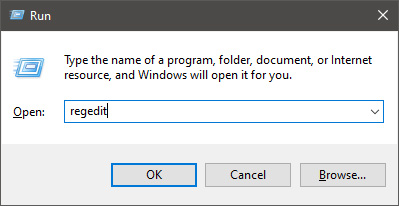
  • Step one: Type regedit.exe in the search box near the Start button.
  • Step two: Type the appropriate password or provide confirmation if you are prompted to do so
  • Step three:  Locate Registry Editor
  • Step four: Select registry key or subkey that you want to back up
  • Step five: Click File > Export
  • Step six:  In the Export Registry File dialog box, choose a location where you will save the backup copy
  • Step seven: Name the backup file then select Save.

In the case of fixing error code 0x80070057, the registry file or subkey you will need to back up relates to this: HKEY_LOCAL_MACHINE. This contains configuration details or information related to your machine regardless of the user. Also note that the registry, once you have created a backup file, will be protected, thus enabling you to move to the manual method mentioned below.

Method Two: Make Changes to the Windows Registry

The execution of modifications to the registry can be a complex procedure, especially if you are an average Windows 10 user who lacks technical knowledge. Thankfully, even non-technical users can access the solutions they need by simply following the instructions provided in this article.

You may also contact a Windows repair technician as well, in case you have trouble implementing the steps mentioned for modifying your Windows registry or if other problems arise while you are proceeding with these instructions.

Step one: Access the Windows Registry Editor by typing regedit.exe in the search box near the Start button.

Step two: Type the appropriate password or provide confirmation if you are prompted to do so

Step three:  Locate Registry Editor

Step four: Enter the following:

[HKEY_LOCAL_MACHINESOFTWAREMicrosoftWindowsUpdateUX] "IsConvergedUpdateStackEnabled"=dword:00000000

[HKEY_LOCAL_MACHINESOFTWAREMicrosoftWindowsUpdateUXSettings] "UxOption"=dword:00000000

After making these modifications in the Windows registry, restart your machine. You can then check Windows Update to see if the problem has been resolved. If the modifications to the registry have proven successful, you will no longer see the error code 0x80070057 message box. You will also be able to complete all updates via Windows Update.

Method Three: Download an Automated Tool

If you wish to always have at your disposal a utility tool to fix these Windows 8 and other related issues when they do arise, download and install a powerful automated tool.

Do You Need Help with Your Device?

Our Team of Experts May Help
Troubleshoot.Tech Experts are There for You!
Replace damaged files
Restore performance
Free disk space
Remove Malware
Protects WEB browser
Remove Viruses
Stop PC freezing
GET HELP
Troubleshoot.Tech experts work with all versions of Microsoft Windows including Windows 11, with Android, Mac, and more.

Share this article:

You might also like

Samsung Odyssey Neo G9 monitor review
samsung Odyssey Neo G9Odyssey Neo G9 is a successor to Odyssey G9 curved gaming monitor and it is aimed again at the gaming community with its specifications but of course, it can be used for work as well. Gapping at a stunning $2500 USD price it is not really a cheap piece of hardware so it is normal to see what do you get for this kind of price and do features justify it, so let’s dive in.

Size and resolution

The first thing that you can notice about the screen is that it is big and curved, 49 inches big which is pretty big, and with it, I believe you can forget about using 2 or 3 screens because this single one will cover everything you need really. Going as far as 5120 X 1440 resolution is the strange definition, basically, this is 5K which is kind of nice but I do not see the advantage. Sure it is larger than 4K, but for the price of $2500 I expected an 8K monstrosity so if the resolution is not the main price justification then what is? Let’s move on and find out.

Odyssey tech specs

The monitor comes with HDR and 240Hz refresh rate which is very nice and coupled with 1ms pixel response time, adaptive sync, and Variable Refresh Rate you get pretty good other tech specs. All of this is very nice but the monitor's strongest selling point is Mini Led tech. Mini Led is a next-gen tech currently found only in high-end TVs. With this technology, monitors can produce truer blacks sort of speak thanks to a greater number of dimming zones. Odyssey Neo G9 is rated at 2000 nits in the brightness values and local dimming zones go to stunning 2048. It comes also with Quantum HDR that supports 10+, Freesync, and G-Sync capability. In connection, the department monitor comes with a single display 1.4 port and two HDMI 2.1 ports. It also includes a headphone jack along with two USB 3.0 ports.

Conclusion

While the resolution of the monitor is nothing impressive for the given price, its size and the rest of the tech specs surely are. Now I will not lie, the price is still a little too high but if you could afford it easily I think you should.
Read More
How to Fix Task Scheduler Error 0x80070057
One of the important functions in the Windows operating system is the Task Scheduler. It can automatically run various tasks at a certain time where you’ll have to add a task that needs to be executed and then choose the time it has to run at. So when that time comes, the Task Scheduler will run the task automatically. However, some users reported getting an Error 0x80070057 where the Task Scheduler fails to start. This kind of error may be due to a disabled service that prevents the service from running. It is also possible that the antivirus program interfered with the task – it could be that the Task Scheduler is somewhat in the block list since the antivirus adds it to the list automatically when it’s installed. On the other hand, it could be that you lack administrator-level privilege which is why the Task Scheduler was not able to carry out the task. To fix this issue, here are some suggestions you can try.

Option 1 – Try to restart the Task Scheduler service

As mentioned, it is possible that the Task Scheduler service could be disabled. You could have disabled it when trying to enhance your computer’s performance and whatnot. Thus, you need to verify if it’s running or not and then restart it.
  • First, you need to tap the Win + R keys on your keyboard to open the Run dialog box.
  • Next, type “services.msc” in the field and click OK or tap Enter to open the Windows Services Manager.
  • You will see a list of Services and from there, look for the Task Scheduler service and double click on it.
  • After that, go to the General tab and click on the Startup Type options and then select “Automatically” from the given list.
  • Click on the “RUN” option and select the “Restart the Service” option.
  • And click on the “After Second Failure” option and then select the “Restart-Service” option again.
  • Now click on the “After Subsequent Failures” tab and select the “Restart the Service” option.
  • Finally, click on the Apply and OK buttons and then run the Task Scheduler and see if the issue is now fixed.

Option 2 – Try to temporarily disable the anti-virus program

As mentioned, the error could be due to the antivirus program or the Windows Defender Firewall installed in your computer. Thus, disabling them or any security software installed on your computer is always a good idea you can try when you’re not able to access the shared drive on your computer. There are times when you encounter problems like the Task Scheduler Error 0x80070057 due to interference of antivirus or security programs. Thus, you have to disable both your antivirus program for the meantime and check if it fixes the error or not.

Option 3 – Run the Task Scheduler with an administrator account

Like pointed out, the Task Scheduler Error 0x80070057 may be due to the lack of admin privileges. Thus, you have to log in to an administrator account and try running the Task Scheduler again. It is also recommended that the administrator account you’re going to use as a password when logging in.

Option 4 – Repair the Task Scheduler by deleting corrupted tasks

Note that a single corrupted file can cause big problems so this option is quite important. And for you to delete a corrupted task or any task from the Task Scheduler, you have to use the Registry Editor if you are not able to use the Task Scheduler interface. To do so, follow these steps:
  • Tap the Win + R keys to open the dialog box for Run.
  • Next, type in Regedit and click on OK or tap Enter to open the Registry Editor.
  • Then navigate to this path: ComputerHKEY_LOCAL_MACHINESOFTWAREMicrosoftWindows NTCurrentVersionScheduleTaskCacheTree
Note: In this path, you can see all the tasks that are currently set in the Task Scheduler. And since it would be hard to tell which one of them is corrupted, you have to delete the latest one in Task Scheduler last. But before you do so, make sure that you take note of the ID of the tasks. And for you to get the ID, you have to select the task you wish to delete and double click on the ID string located on your right-hand side, and then copy it in the Notepad.
  • Right-click on the task name and then delete it.
  • After that, delete the very same GUID which you have copied earlier from these folders:
  • ComputerHKEY_LOCAL_MACHINESOFTWAREMicrosoftWindows NTCurrentVersionScheduleTaskCacheBoot
  • ComputerHKEY_LOCAL_MACHINESOFTWAREMicrosoftWindows NTCurrentVersionScheduleTaskCacheLogon
  • ComputerHKEY_LOCAL_MACHINESOFTWAREMicrosoftWindows NTCurrentVersionScheduleTaskCacheMaintenance
  • ComputerHKEY_LOCAL_MACHINESOFTWAREMicrosoftWindows NTCurrentVersionScheduleTaskCachePlain
  • ComputerHKEY_LOCAL_MACHINESOFTWAREMicrosoftWindows NTCurrentVersionScheduleTaskCacheTasks
Note: You might not see the same GUID from these folders but if you see it, delete it right away.
  • Next, navigate to this location: C:/Windows/System32/Tasks
  • Delete the very same tasks you just deleted from the Registry Editor.
  • Restart your PC and check if the Task Scheduler is back to its normal state or not.
Read More
Delete Downloaded, Failed and Pending Windows Updates in Windows 10
There are instances when instead of fixing problems the Windows Update brings you problems on your Windows 10 computer. You might even see some pending Windows Updates which for some reason, refuse to install no matter what you do. The good thing is you won’t have to deal with those failed and pending updates that are incompletely downloaded to your PC as you can actually delete them. Follow the instructions prepared below to delete the failed and pending Windows Updates.

Step 1: The first thing you have to do is delete all the contents in the Temporary folder

  • Tap the Win + R keys to open the Run dialog box.
  • Next, type in “%temp%” in the field and hit Enter or click OK to open the Temporary folder.
  • From there, select all the folders and files within the Temporary folder and then delete them all.
Note: %temp% is one of the many environment variables in Windows that could open the designated folder by Windows as the Temporary folder which is usually located at C:\Users[username]AppDataLocalTemp.

Step 2: Next, remove the pending.xml file

  • Go to the C:\Windows WinSxS folder.
  • Once you’ve opened the folder, look for a file named “pending.xml” file and right-click on it and you can either rename it or delete it.
  • After that, the Windows Update should delete the pending tasks and build a fresh new update.

Step 3: Delete all the contents of the SoftwareDistribution folder

The Software Distribution folder in the Windows operating system is a folder that can be found in the Windows directory and is used to store files temporarily which might be required to install the Windows Update on your PC. Thus, it is required by the Windows Update and maintained by WUAgent. Aside from that, it also contains all the Windows Update History files and once you delete them, you will most likely lose the Update history. As a result, the next time you run the Windows Update, it may result in a longer detection time.
  • Open the WinX Menu.
  • From there, open Command Prompt as admin.
  • Then type in the following command – don’t forget to hit Enter right after typing each one of them.
net stop wuauserv net stop bits
  • After entering these commands, it will stop the Windows Update Service and the Background Intelligent Transfer Service.
  • Next, got to the C:\Windows\Software\Distribution folder and get rid of all the folders and files thereby tapping the Ctrl + A keys to select them all and then click on Delete. Note that if the files are in use, you won’t be able to delete them.
  • Once all the contents in the Software Distribution folder are deleted, restart your PC and then go back to Command Prompt and input the following commands again.
net start wuauserv net start bits
Since the folder has already been flushed, it will be populated afresh the instant your restart your computer and open Windows Update.

Step 4: Try resetting the catroot2 folder

You can also try resetting the catroort2 folder as it is known to fix tons of Windows Update issues. Both the Catroot and catroot2 are Windows operating system folders that are required for the Windows update process.  So when you run the Windows Update, the catroort2 folders stores the signatures of the Windows Update package and helps it in the installation. It makes use of the “%windir%System32catroot2edb.log” file in the updating process. Afterward, the updates are stored in the SoftwareDistribution folder which is used then by the Automatic Updates in order to execute the updating process. Keep in mind that you must not rename or delete the Catroot folder. Although the Catroot2 folder is recreated automatically by Windows, the Catroot folder isn’t.
Read More
InboxAce Removal Tutorial

InboxAce is a browser extension for Google Chrome developed by Mindspark and gives users easy access to the most popular email clients with just 1 click away. This extension changes your default search engine, as well as your home page to MyWay.com. Several anti-virus scanners have marked this extension as a Browser Hijacker due to its information mining nature.

While installing this extension monitors user browsing activities. It logs the website you visit, the links you click, the products you buy, basically everything that you do in a browser. This information is later used to display unwanted targeted ads that are injected into your search results.

About Browser Hijackers

Browser hijacking means that a malicious code has power over and modified the settings of your internet browser, without your consent. Browser hijacker malware is designed for many different reasons. Typically, it will drive users to particular websites which are looking to increase their advertising campaign revenue. Many people believe that these kinds of sites are legitimate and harmless but that is incorrect. Almost every browser hijacker poses an actual threat to your online safety and it is vital to classify them under privacy risks. Browser hijackers can also permit other malicious programs without your knowledge to further damage the computer.

How to determine if your browser has been hijacked

Signs that an internet browser is hijacked include: the home page of your respective browser is changed unexpectedly; you observe new unwanted favorites or bookmarks added, usually directed to ad-filled or pornography sites; default online search engine is modified; find new toolbars which you did not add; unstoppable flurries of popup advertisements show up on your computer screen; your browser gets slow, buggy, crashes very often; Inability to navigate to particular sites, especially anti-malware and also other security software sites.

How it infects your PC

Browser hijackers might use drive-by downloads or file-sharing websites or an e-mail attachment in order to reach a targeted computer. They also come from add-on applications, also known as browser helper objects (BHO), browser extensions, or toolbars. Other times you may have unintentionally accepted a browser hijacker as part of a software bundle (usually freeware or shareware). A good example of some notorious browser hijackers includes Conduit, Anyprotect, Babylon, DefaultTab, SweetPage, Delta Search, and RocketTab, but the names are continually changing. Browser hijackers can disrupt the user’s web surfing experience greatly, record the websites frequented by users and steal private information, cause problems in connecting to the internet, and then finally create stability problems, making applications and systems crash.

Tips on how to get rid of browser hijackers

Some types of browser hijackers can be effortlessly removed from your PC by deleting malicious software or any other recently installed freeware. But, most hijackers are extremely tenacious and need specialized applications to eliminate them. And there’s no denying the very fact that the manual repairs and removal methods could be a difficult job for a novice PC user. On top of that, there are many risks connected with tinkering around with the system registry files. Anti-malware software is very effective with regards to picking up and eliminating browser hijackers that normal anti-virus application has overlooked. SafeBytes Anti-Malware will counter persistent browser hijackers and provide you real-time computer protection against all types of malware. In addition to anti-malware, a system optimizer program, similar to Total System Care, could help you fix Windows registry errors, get rid of unwanted toolbars, secure your online privacy, and increase overall computer performance.

Find Out How To Install Safebytes Anti-Malware On An Infected PC

Malware can cause all sorts of damage once they invade your computer, starting from stealing your personal details to deleting files on your computer system. Some malware goes to great lengths to stop you from installing anything on your computer system, particularly antivirus programs. If you’re reading this, odds are you’re stuck with a malware infection that is preventing you to download or install the Safebytes Anti-Malware program on your PC. There are a few fixes you could try to get around with this particular problem.

Remove viruses in Safe Mode

If any virus is set to run automatically when Windows starts, entering Safe Mode could very well block this attempt. Just the minimum required programs and services are loaded when you start your PC into Safe Mode. The following are the steps you have to follow to boot into the Safe Mode of your Windows XP, Vista, or 7 computers (visit Microsoft website for instructions on Windows 8 and 10 computers). 1) At power-on/startup, tap the F8 key in 1-second intervals. This will bring up the Advanced Boot Options menu. 2) Use the arrow keys to choose Safe Mode with Networking and press ENTER. 3) When you are into this mode, you should have online access once again. Now, make use of your browser normally and navigate to https://safebytes.com/products/anti-malware/ to download and install Safebytes Anti-Malware. 4) After installation, do a full scan and let the program eliminate the threats it finds.

Switch over to an alternate web browser

Some viruses may target vulnerabilities of a particular web browser that block the downloading process. If you’re not able to download the security software using Internet Explorer, this means malware could be targeting IE’s vulnerabilities. Here, you must switch to another browser such as Firefox or Chrome to download Safebytes software.

Make a bootable USB anti-virus drive

Another option is to save and operate an anti-malware program completely from a Thumb drive. Adopt these measures to run the antivirus on the affected computer. 1) On a clean computer, install Safebytes Anti-Malware. 2) Plug the Thumb drive into the clean computer. 3) Double click on the exe file to open the installation wizard. 4) When asked, select the location of the USB drive as the place where you would like to put the software files. Follow activation instructions. 5) Unplug the pen drive. You may now utilize this portable anti-virus on the affected computer system. 6) Double click the EXE file to open the Safebytes tool right from the pen drive. 7) Simply click “Scan Now” to run a complete scan on the affected computer for viruses.

A Look at the Best AntiMalware Program

If you are looking to download the anti-malware program for your PC, there are various tools in the market to consider but you just cannot trust blindly anyone, irrespective of whether it is paid or free program. Some are very good ones, some are ok types, and some are just bogus anti-malware programs that could ruin your computer themselves! You should select one that is dependable, practical, and has a strong reputation for its malware source protection. When considering commercial antimalware tool options, many people select well-known brands, such as SafeBytes, and they are quite happy with it. SafeBytes is a powerful, real-time anti-malware application that is designed to assist the typical computer end user in safeguarding their computer from malicious internet threats. When you have installed this software, SafeByte's state-of-the-art protection system will make sure that no viruses or malware can seep through your personal computer.

SafeBytes anti-malware takes PC protection to a totally new level with its enhanced features. Here are some of the features you will like in SafeBytes.

World-class AntiMalware Protection: Built on a greatly acclaimed anti-virus engine, this malware removal application can detect and remove numerous obstinate malware threats like browser hijackers, PUPs, and ransomware that other typical antivirus programs will miss. Active Protection: SafeBytes gives you round-the-clock protection for your computer limiting malware intrusions instantly. This software will constantly keep track of your computer for suspicious activity and updates itself continuously to keep abreast of the constantly changing threat landscape. Extremely Speed Scanning: SafeBytes’s virus scan engine is one of the fastest and most efficient in the industry. Its targeted scanning highly increases the catch rate for malware that is embedded in various computer files. Safe Web Browsing: SafeBytes checks and gives a unique safety rating to each and every website you visit and block access to web pages known to be phishing sites, thus protecting you from identity theft, or known to contain malicious software. Light-weight: SafeBytes gives total protection from online threats at a fraction of the CPU load because of its advanced detection engine and algorithms. Premium Support: Skilled technicians are at your disposal 24/7! They will promptly resolve any technical issues you might be experiencing with your security software. On the whole, SafeBytes Anti-Malware is a solid program as it has lots of features and could detect and remove any potential threats. You can rest assured that your PC will be protected in real-time as soon as you put this tool to use. You will get the very best all-around protection for the money you spend on SafeBytes anti-malware subscription, there is no doubt about it.

Technical Details and Manual Removal (Advanced Users)

If you’d like to manually get rid of InboxAce without the use of an automated tool, it may be actually possible to do so by removing the program from the Microsoft Windows Add/Remove Programs menu, or in cases of web browser plug-ins, going to the browsers AddOn/Extension manager and removing it. It is also highly recommended to factory reset your browser settings to their default state. If you choose to manually delete the system files and registry entries, utilize the following list to ensure that you know precisely what files to remove before executing any actions. But bear in mind, this can be a tricky task and only computer professionals could accomplish it safely. Also, certain malware is capable of replicating itself or preventing deletion. You’re urged to do this process in Safe Mode.
Files: Search and Delete: 1gauxstb.dll 1gbar.dll 1gbarsvc.exe 1gbprtct.dll 1gbrmon.exe 1gbrstub.dll 1gdatact.dll 1gdlghk.dll 1gdyn.dll 1gfeedmg.dll 1ghighin.exe 1ghkstub.dll 1ghtmlmu.dll 1ghttpct.dll 1gidle.dll 1gieovr.dll 1gimpipe.exe 1gmedint.exe 1gmlbtn.dll 1gmsg.dll 1gPlugin.dll 1gradio.dll 1gregfft.dll 1greghk.dll 1gregiet.dll 1gscript.dll 1gskin.dll 1gsknlcr.dll 1gskplay.exe 1gSrcAs.dll 1gSrchMn.exe 1gtpinst.dll 1guabtn.dll AppIntegrator64.exe AppIntegratorStub64.dll BOOTSTRAP.JS chromegffxtbr.jar CHROME.MANIFEST CREXT.DLL CrExtP1g.exe DPNMNGR.DLL EXEMANAGER.DLL Hpg64.dll INSTALL.RDF installKeys.js LOGO.BMP NP1gStub.dll T8EXTEX.DLL T8EXTPEX.DLL T8HTML.DLL T8RES.DLL T8TICKER.DLL VERIFY.DLL s_pid.dat 1gEIPlug.dll 1gEZSETP.dll NP1gEISb.dll 000653A1.exe Folders: %APPDATA%\InboxAce_1g\ %PROGRAMFILES%\InboxAce_1g\ %PROGRAMFILES%\InboxAce_1gEI\ Registry: Key HKLM\SOFTWARE\Classes\InboxAce_1g.DynamicBarButton Key HKLM\SOFTWARE\Classes\InboxAce_1g.DynamicBarButton\CLSID Key HKLM\SOFTWARE\Classes\InboxAce_1g.DynamicBarButton\CurVer Key HKLM\SOFTWARE\Classes\InboxAce_1g.DynamicBarButton.1 Key HKLM\SOFTWARE\Classes\InboxAce_1g.DynamicBarButton.1\CLSID Key HKLM\SOFTWARE\Classes\InboxAce_1g.FeedManager Key HKLM\SOFTWARE\Classes\InboxAce_1g.FeedManager\CLSID Key HKLM\SOFTWARE\Classes\InboxAce_1g.FeedManager\CurVer Key HKLM\SOFTWARE\Classes\InboxAce_1g.FeedManager.1 Key HKLM\SOFTWARE\Classes\InboxAce_1g.FeedManager.1\CLSID Key HKLM\SOFTWARE\Classes\InboxAce_1g.HTMLMenu Key HKLM\SOFTWARE\Classes\InboxAce_1g.HTMLMenu\CLSID Key HKLM\SOFTWARE\Classes\InboxAce_1g.HTMLMenu\CurVer Key HKLM\SOFTWARE\Classes\InboxAce_1g.HTMLMenu.1 Key HKLM\SOFTWARE\Classes\InboxAce_1g.HTMLMenu.1\CLSID Key HKLM\SOFTWARE\Classes\InboxAce_1g.HTMLPanel Key HKLM\SOFTWARE\Classes\InboxAce_1g.HTMLPanel\CLSID Key HKLM\SOFTWARE\Classes\InboxAce_1g.HTMLPanel\CurVer Key HKLM\SOFTWARE\Classes\InboxAce_1g.HTMLPanel.1 Key HKLM\SOFTWARE\Classes\InboxAce_1g.HTMLPanel.1\CLSID Key HKLM\SOFTWARE\Classes\InboxAce_1g.MultipleButton Key HKLM\SOFTWARE\Classes\InboxAce_1g.MultipleButton\CLSID Key HKLM\SOFTWARE\Classes\InboxAce_1g.MultipleButton\CurVer Key HKLM\SOFTWARE\Classes\InboxAce_1g.MultipleButton.1 Key HKLM\SOFTWARE\Classes\InboxAce_1g.MultipleButton.1\CLSID Key HKLM\SOFTWARE\Classes\InboxAce_1g.PseudoTransparentPlugin Key HKLM\SOFTWARE\Classes\InboxAce_1g.PseudoTransparentPlugin\CLSID Key HKLM\SOFTWARE\Classes\InboxAce_1g.PseudoTransparentPlugin\CurVer Key HKLM\SOFTWARE\Classes\InboxAce_1g.PseudoTransparentPlugin.1 Key HKLM\SOFTWARE\Classes\InboxAce_1g.PseudoTransparentPlugin.1\CLSID Key HKLM\SOFTWARE\Classes\InboxAce_1g.Radio Key HKLM\SOFTWARE\Classes\InboxAce_1g.Radio\CLSID Key HKLM\SOFTWARE\Classes\InboxAce_1g.Radio\CurVer Key HKLM\SOFTWARE\Classes\InboxAce_1g.Radio.1 Key HKLM\SOFTWARE\Classes\InboxAce_1g.Radio.1\CLSID Key HKLM\SOFTWARE\Classes\InboxAce_1g.RadioSettings Key HKLM\SOFTWARE\Classes\InboxAce_1g.RadioSettings\CLSID Key HKLM\SOFTWARE\Classes\InboxAce_1g.RadioSettings\CurVer Key HKLM\SOFTWARE\Classes\InboxAce_1g.RadioSettings.1 Key HKLM\SOFTWARE\Classes\InboxAce_1g.RadioSettings.1\CLSID Key HKLM\SOFTWARE\Classes\InboxAce_1g.ScriptButton Key HKLM\SOFTWARE\Classes\InboxAce_1g.ScriptButton\CLSID Key HKLM\SOFTWARE\Classes\InboxAce_1g.ScriptButton\CurVer Key HKLM\SOFTWARE\Classes\InboxAce_1g.ScriptButton.1 Key HKLM\SOFTWARE\Classes\InboxAce_1g.ScriptButton.1\CLSID Key HKLM\SOFTWARE\Classes\InboxAce_1g.SettingsPlugin Key HKLM\SOFTWARE\Classes\InboxAce_1g.SettingsPlugin\CLSID Key HKLM\SOFTWARE\Classes\InboxAce_1g.SettingsPlugin\CurVer Key HKLM\SOFTWARE\Classes\InboxAce_1g.SettingsPlugin.1 Key HKLM\SOFTWARE\Classes\InboxAce_1g.SettingsPlugin.1\CLSID Key HKLM\SOFTWARE\Classes\InboxAce_1g.SkinLauncher Key HKLM\SOFTWARE\Classes\InboxAce_1g.SkinLauncher\CLSID Key HKLM\SOFTWARE\Classes\InboxAce_1g.SkinLauncher\CurVer Key HKLM\SOFTWARE\Classes\InboxAce_1g.SkinLauncher.1 Key HKLM\SOFTWARE\Classes\InboxAce_1g.SkinLauncher.1\CLSID Key HKLM\SOFTWARE\Classes\InboxAce_1g.SkinLauncherSettings Key HKLM\SOFTWARE\Classes\InboxAce_1g.SkinLauncherSettings\CLSID Key HKLM\SOFTWARE\Classes\InboxAce_1g.SkinLauncherSettings\CurVer Key HKLM\SOFTWARE\Classes\InboxAce_1g.SkinLauncherSettings.1 Key HKLM\SOFTWARE\Classes\InboxAce_1g.SkinLauncherSettings.1\CLSID Key HKLM\SOFTWARE\Classes\InboxAce_1g.ThirdPartyInstaller Key HKLM\SOFTWARE\Classes\InboxAce_1g.ThirdPartyInstaller\CLSID Key HKLM\SOFTWARE\Classes\InboxAce_1g.ThirdPartyInstaller\CurVer Key HKLM\SOFTWARE\Classes\InboxAce_1g.ThirdPartyInstaller.1 Key HKLM\SOFTWARE\Classes\InboxAce_1g.ThirdPartyInstaller.1\CLSID Key HKLM\SOFTWARE\Classes\InboxAce_1g.ToolbarProtector Key HKLM\SOFTWARE\Classes\InboxAce_1g.ToolbarProtector\CLSID Key HKLM\SOFTWARE\Classes\InboxAce_1g.ToolbarProtector\CurVer Key HKLM\SOFTWARE\Classes\InboxAce_1g.ToolbarProtector.1 Key HKLM\SOFTWARE\Classes\InboxAce_1g.ToolbarProtector.1\CLSID Key HKLM\SOFTWARE\Classes\InboxAce_1g.UrlAlertButton Key HKLM\SOFTWARE\Classes\InboxAce_1g.UrlAlertButton\CLSID Key HKLM\SOFTWARE\Classes\InboxAce_1g.UrlAlertButton\CurVer Key HKLM\SOFTWARE\Classes\InboxAce_1g.UrlAlertButton.1 Key HKLM\SOFTWARE\Classes\InboxAce_1g.UrlAlertButton.1\CLSID Key HKLM\SOFTWARE\Classes\InboxAce_1g.XMLSessionPlugin Key HKLM\SOFTWARE\Classes\InboxAce_1g.XMLSessionPlugin\CLSID Key HKLM\SOFTWARE\Classes\InboxAce_1g.XMLSessionPlugin\CurVer Key HKLM\SOFTWARE\Classes\InboxAce_1g.XMLSessionPlugin.1 Key HKLM\SOFTWARE\Classes\InboxAce_1g.XMLSessionPlugin.1\CLSID Key HKLM\SOFTWARE\MozillaPlugins\@InboxAce_1g.com/Plugin Key HKLM\SOFTWARE\InboxAce_1g Key HKLM\SYSTEM\CurrentControlSet\Enum\Root\LEGACY_INBOXACE_1GSERVICE Key HKLM\SYSTEM\CurrentControlSet\Enum\Root\LEGACY_INBOXACE_1GSERVICE%#MANIFEST#%00 Key HKLM\SYSTEM\CurrentControlSet\Enum\Root\LEGACY_INBOXACE_1GSERVICE%#MANIFEST#%00\Control Key HKLM\SYSTEM\CurrentControlSet\Services\InboxAce_1gService Key HKLM\SYSTEM\CurrentControlSet\Services\InboxAce_1gService\Security Key HKLM\SYSTEM\CurrentControlSet\Services\InboxAce_1gService\Enum Key HKCU\Software\InboxAce_1g Key HKLM\SOFTWARE\Microsoft\Windows\CurrentVersion\Run\ Value: InboxAce Search Scope Monitor Data: C:\PROGRA~1\INBOXA~2\bar.bingsrchmn.exe /m=2 /w /h Key HKLM\SOFTWARE\Microsoft\Windows\CurrentVersion\Run\ Value: InboxAce_1g Browser Plugin Loader Data: C:\PROGRA~1\INBOXA~2\bar.bingbrmon.exe00\Control Key HKLM\SYSTEM\CurrentControlSet\Services\InboxAce_1gService Key HKLM\SYSTEM\CurrentControlSet\Services\InboxAce_1gService\Security Key HKLM\SYSTEM\CurrentControlSet\Services\InboxAce_1gService\Enum Key HKCU\Software\InboxAce_1g Key HKLM\SOFTWARE\Microsoft\Windows\CurrentVersion\Run\ Value: InboxAce Search Scope Monitor Data: C:\PROGRA~1\INBOXA~2\bar.bingsrchmn.exe /m=2 /w /h Key HKLM\SOFTWARE\Microsoft\Windows\CurrentVersion\Run\ Value: InboxAce_1g Browser Plugin Loader Data: C:\PROGRA~1\INBOXA~2\bar.bingbrmon.exe
Read More
Fix CAS System Was Unable to Initialize in WoW
After so many years World of Warcraft is still among the most played MMORPG games in the world. It is still constantly updated with new content and tweak graphically in order to be relevant and fresh. But even the best or most popular ones can still have some minor issues and bugs from time to time. CAS System Was Unable to Initialize is the error that was reported lately by WOW players all around the globe and it happens in multiple Windows systems. In this guide, we will take with this issue and provide you with solutions on how to fix it so you can get back to enjoying the game itself.
    1. Repair WOW

      In battle.NET launcher select WOW and click on Options Click on Scan and Repair Let the process finish and then launch the game again
    2. Clean Windows registry

      Windows cleaning registry operation is a complex task and we will not cover each possible scenario here, instead of trying manually to find issues and clean registry download and install third party registry cleaner software.
    3. Run WOW with command line argument

      One of the solutions for this particular error is to run WOW with a specific command line switch: Run battle.NET client as administrator by right-clicking on it and choosing run as administrator If you are not signed in, sign in now Click on World of Warcraft to select it Click on options Click on Game settings Check the box associated with Additional command-line arguments When the box is selected you should've able to add inline argument or switch, add -uid wow_engb and confirm Run World of Warcraft
    4. Enable Secondary logon service inside Windows

      It was reported that enabling this service can fix the issue. Press ⊞ WINDOWS + R to open the run dialog Inside run dialog type in services.msc to open services windows Locate the Secondary Logon service Right-click on Properties from the context menu Inside the properties, screen click on the general tab Change the Startup type to Automatic and hit Apply to save the changes Run World of Warcraft
    5. Delete the cache folder

      Both indices and cache folder needs to be deleted in order to reset corrupted data. Make sure that both World of Warcraft and battle.NET are fully closed For this step to work, you will need to go into the folder where you have installed the World of Warcraft game. By default this is in C:/Program Files/World of Warcraft/ but if you have used another folder go there via file explorer. Once you are inside the folder locate the indices folder and delete it After that locate and delete the cache folder as well Restart your computer and start battle.NET
    6. Remove read-only attribute from WoW folder

      Another reason for CAS System Was Unable to Initialize error is because the World of Warcraft folder has been set to read-only and since the client does not have write privileges it will throw this error. To remove the read-only attribute from the folder go to your World of Warcraft installation folder but do not enter it Right-click on it instead and choose properties Under properties uncheck the read-only box and confirm. Run World of Warcraft
Read More
Windows SmartScreen can’t be reached right now
SmartScreen is a cloud-based anti-phishing and anti-malware component that’s come packed in all Windows 8 (8.1) and Windows 10 versions. This security component is also used in several browsers and programs like Internet Explorer, Microsoft Edge and Outlook.com. Although this program is quite useful, there’ve been reports that SmartScreen is apparently blocking Microsoft’s own apps from opening. According to some users, they only get the “Windows SmartScreen can’t be reached right now” error message every time they try to open apps from the built-in Windows suite like Photos, Mail, Alarms, Maps, etc. Whenever Windows SmartScreen is either down or unreachable on an end-user PC, your computer won’t be able to download anything in both official and unofficial channels. This error might be due to a corrupted Windows account, or it could be that SmartScreen is disabled from the Windows Defender Security Center or it might be down due to an MS issue. In addition, the error might also be caused by a proxy entry.

Option 1 – Make sure that SmartScreen is enabled

Before anything else, the first thing you must do is to check if SmartScreen is even enabled as it might be the reason why you’re getting the error. You can verify this by simply going to the Windows Defender Security Center. To do so, follow the steps below.
  • Tap the Win + R keys to open the Run dialog box.
  • Next, type “ms-settings:windowsdefender” in the field and hit Enter to open the Windows Defender Security Center.
  • After that, click on the Open Windows Defender Security Center button located under Windows Security.
  • Then click on App & browser control.
  • From there, make sure that the Check apps and files toggle is set to Warn and then check the same thing for Microsoft Edge and SmartScreen for Microsoft Store apps.
  • If it turns out that SmartScreen is indeed disabled, you have to restart your computer after making some changes and then check if the issue is fixed upon the next startup.

Option 2 – Check if SmartScreen is down for maintenance

Another possible reason why SmartScreen is not working is that it might be scheduled for maintenance. When SmartScreen is scheduled for maintenance, it will become unreachable for a lot of users at the same time and so before you go over unnecessary troubleshooting steps, you need to verify if SmartScreen is down for maintenance or not.

Option 3 – Try to disable the proxy server

If applicable, you can try to disable the proxy server to fix SmartScreen. There are some users who reported that they’ve fixed the problem after they’ve disabled the use of a proxy server using the built-in way. In some instances, certain proxy servers can interfere with the SmartScreen component and cause it to become unusable. However, if you are not using a proxy server, just skip this option and proceed to the next one, otherwise, follow the steps below to disable the proxy server.
  • Tap the Win + R keys to open the Run dialog box.
  • Next, type “ms-settings:network-proxy” in the field and hit Enter to open the Proxy tab under Settings.
  • After that, scroll down to the Manual proxy setup and make sure that the toggle button of the “Use a proxy server” option is turned off.
  • Now restart your PC and check if the problem is fixed upon the next startup.

Option 4 – Try to create a new Windows user account

There are some users who were able to fix the problem by simply creating a new Windows user account. Although this solution will make you lose a couple of settings enforced through your user account, it’s actually effective in circumventing the “Windows SmartScreen can’t be reached right now” error. To create a new Windows user account, here’s what you have to do:
  • Tap the Win + R keys to open the Run dialog box.
  • And then type “ms-settings:otherusers” in the field and hit Enter to open the Family & other people tab under the Accounts menu.
  • After that, click on the “Add someone else to this PC” option and then click on “I don’t have this person’s sign-in information.
  • Next, insert the user credentials like emails, password, birth date, etc., and then click Next. Take note that if you want to create a new local user account, just click on Add a user without a Microsoft account.
  • After you’re done creating the new Windows user account, click the start icon and then click the account icon and choose to Sign out.
  • After you’re logged in, check if SmartScreen now works properly or not.
Read More
InternetSpeedTracker Removal Guide

InternetSpeedTracker is a browser extension developed by MindSpark Inc. This browser add-on offer uses tips on how to boost their “bad” internet connection speed. It displays false internet speed in order to get you to open the sponsored links listed in the toolbar.

This extension also hijacks your browser home page and replaces your default search engine with MyWay. While browsing the internet you will see additional unwanted sponsored ads and links throughout your search results, and sometimes even pop-up ads might appear. While active this extension gathers personal information, website visits, links, and clicks and uses this data to serve ads.

InternetSpeedTracker has been flagged as a Browser Hijacker by several anti-virus scanners, and due to its data mining behavior, it is not recommended to keep it on your computer, especially because it gives false data about your internet speed.

About Browser Hijackers

Browser hijack is a very common type of online fraud where your internet browser settings are modified to allow it to carry out things you don’t intend. They’re created to disrupt browser functions for several purposes. It redirects you to the sponsored sites and inserts ads on the web browser which helps its developer generate earnings. Nevertheless, it’s not that naive. Your web safety is jeopardized and it is also extremely irritating. They don’t just ruin your web browsers, but browser hijackers could also modify the computer registry, making your PC vulnerable to other attacks.

How one can know if your web browser is hijacked

Signs that an internet browser is a hi-jacked include: the browser’s home-page is modified; you find yourself regularly directed to a different site than the one you meant; the default search engine is changed; unwanted new toolbars are added to your web browser; never-ending pop-up ads show up and/or your browser pop-up blocker is disabled; your web browser starts running sluggishly or displays frequent glitches; You simply can’t access specific sites, particularly anti-virus sites.

How they infect PCs

A browser hijacker can be installed on your computer when you check out an infected website, click an e-mail attachment, or download something from a file-sharing website. They are usually included with toolbars, BHO, add-ons, plugins, or browser extensions. A browser hijacker could also be installed as a part of freeware, shareware, demoware, and fake programs. A good example of a notorious browser hijacker is the most recent Chinese malware known as “Fireball”, which has attacked 250 million computer systems worldwide. It acts as a hijacker but can be turned into a fully functioning malware downloader afterward. Browser hijackers could affect the user’s browsing experience greatly, keep track of the websites visited by users and steal private information, cause difficulty in connecting to the internet, and ultimately create stability issues, making software programs and systems freeze.

How to repair a browser hijack

Some hijackers could be removed by uninstalling the freeware they came with or by eliminating any extension you have recently added to your system. But, many hijackers are hard to get rid of manually. No matter how much you attempt to eliminate it, it can keep coming back over and over again. And there’s no denying the fact that the manual fixes and removal methods can be quite a complicated job for a rookie PC user. Furthermore, there are several risks connected with fiddling around with the system registry files.

What you can do if Virus Stops You From Downloading Anything?

Malware could cause all kinds of damage after they invade your system, ranging from stealing your private information to deleting data files on your computer system. Certain malware variants modify web browser settings by adding a proxy server or modify the computer’s DNS configuration settings. In such cases, you’ll be unable to visit some or all of the websites, and thus not able to download or install the necessary security software to remove the infection. If you’re reading this article, chances are you’re stuck with a virus infection that is preventing you to download or install the Safebytes Anti-Malware program on your PC. There are some fixes you can try to get around with this issue.

Install antivirus in Safe Mode with Networking

If the malware is set to load at Windows startup, then booting in Safe Mode should prevent it. Since only the minimal programs and services start-up in safe mode, there are rarely any reasons for issues to take place. Listed below are the steps you should follow to start your computer into the Safe Mode of your Windows XP, Vista, or 7 computers (visit Microsoft site for instructions on Windows 8 and 10 PCs). 1) At power on/start-up, tap the F8 key in one-second intervals. This will bring up the Advanced Boot Options menu. 2) Select Safe Mode with Networking with arrow keys and hit Enter. 3) As soon as this mode loads, you will have an internet connection. Now, utilize your web browser normally and navigate to https://safebytes.com/products/anti-malware/ to download and install Safebytes Anti-Malware. 4) Right after the software program is installed, let the diagnostic scan run to remove trojans and other malware automatically.

Switch to an alternate web browser

Web-based viruses can be environment-specific, aiming for a particular internet browser or attacking specific versions of the browser. The best solution to avoid this issue is to opt for a browser that is known for its security features. Firefox comprises built-in Phishing and Malware Protection to keep you safe online.

Run anti-virus from a pen drive

Another technique is to download and transfer an anti-malware application from a clean PC to run a scan on the affected computer. Follow these steps to use a flash drive to clean your infected system. 1) Download Safebytes Anti-Malware or Microsoft Windows Defender Offline onto a clean PC. 2) Insert the pen drive on the same system. 3) Double-click the Setup icon of the anti-malware software package to run the Installation Wizard. 4) Pick a USB flash drive as the place when the wizard asks you exactly where you would like to install the application. Follow the instructions on the computer screen to complete the installation process. 5) Now, transfer the pen drive to the infected computer. 6) Run the Safebytes Anti-malware directly from the thumb drive by double-clicking the icon. 7) Click the “Scan” button to run a full system scan and remove malware automatically.

Let's Talk About SafeBytes Anti-Malware!

Want to install the best anti-malware application for your laptop or computer? There are many applications available in the market which comes in free and paid versions for Windows computers. Some of them are great and some are scamware applications that pretend as legitimate anti-malware programs waiting to wreak havoc on your PC. When looking for an antimalware program, pick one which gives reliable, efficient, and total protection against all known viruses and malware. One of the recommended tools by industry leaders is SafeBytes Anti-Malware, the most dependable program for Windows computers. SafeBytes anti-malware is a reliable tool that not only secures your system permanently but is also quite user-friendly for people of all ability levels. This application could easily identify, remove, and protect your personal computer from the most advanced malware attacks such as spyware, adware, trojan horses, ransomware, worms, PUPs, and other possibly damaging software applications. SafeBytes has excellent features when compared to other anti-malware programs. Below are a few of the great ones: World-class AntiMalware Protection: Built upon a greatly acclaimed anti-virus engine, this malware removal application can identify and remove numerous obstinate malware threats such as browser hijackers, PUPs, and ransomware that other common antivirus applications will miss. Live Protection: SafeBytes gives real-time active supervision and protection from all known viruses and malware. They’re very effective in screening and eliminating different threats because they are regularly improved with new updates and alerts. Web Security: SafeBytes provides an instant safety rating on the web pages you are going to visit, automatically blocking risky sites and making sure that you are certain of your safety while browsing the internet. Very Low CPU and Memory Usage: SafeBytes provides complete protection from online threats at a fraction of the CPU load due to its enhanced detection engine and algorithms. Premium Support: SafeBytes provides 24/7 technical support, automatic maintenance, and updates for the best user experience.

Technical Details and Manual Removal (Advanced Users)

If you wish to manually remove InternetSpeedTracker without the use of an automated tool, it may be possible to do so by removing the program from the Windows Add/Remove Programs menu, or in cases of browser extensions, going to the browsers AddOn/Extension manager and removing it. You will likely also want to reset your browser. To ensure the complete removal, manually check your hard drive and registry for all of the following and remove or reset the values accordingly. Please note that this is for advanced users only and may be difficult, with incorrect file removal causing additional PC errors. In addition, some malware is capable of replicating or preventing deletion. Doing this in Safe Mode is advised.

The following files, folders, and registry entries are created or modified by InternetSpeedTracker

Files: C:DOCUME1USER1LOCALS1Tempnsk1.tmp C:b418207fbd4b466002312b66521c390947518e9a0d787e4e059af0505f607f3e C:DOCUME1USER1LOCALS1Tempnsk2.tmp C:DOCUME1USER1LOCALS1Tempnsk2.tmpnsDialogs.dll C:DOCUME1USER1LOCALS1Tempnsk2.tmpSystem.dll C:DOCUME1USER1LOCALS1Tempnsk2.tmpnsDialogs.dll C:DOCUME1USER1LOCALS1Tempnsk2.tmpSystem.dll C:Program FilesInternetSpeedTracker_9tEIInstallr.binNP9tEISb.dl_ C:PROGRA1INTERN2Installr.binNP9tEISb.dl_ C:Program FilesInternetSpeedTracker_9tEIInstallr.binNP9tEISb.dll C:Program FilesInternetSpeedTracker_9tEIInstallr.bintEIPlug.dl_ C:PROGRA1INTERN2Installr.bintEIPlug.dl_ C:Program FilesInternetSpeedTracker_9tEIInstallr.bintEIPlug.dll C:Program FilesInternetSpeedTracker_9tEIInstallr.bintEZSETP.dl_ C:PROGRA1INTERN2Installr.bintEZSETP.dl_ C:Program FilesInternetSpeedTracker_9tEIInstallr.bintEZSETP.dll C:WINDOWSsystem32rundll32.exe C:Program FilesInternetSpeedTracker_9tEIInstallr.binNP9tEISb.dl_ C:Program FilesInternetSpeedTracker_9tEIInstallr.binNP9tEISb.dll C:Program FilesInternetSpeedTracker_9tEIInstallr.bintEIPlug.dl_ C:Program FilesInternetSpeedTracker_9tEIInstallr.bintEIPlug.dll C:Program FilesInternetSpeedTracker_9tEIInstallr.bintEZSETP.dl_ C:Program FilesInternetSpeedTracker_9tEIInstallr.bintEZSETP.dll Registry: HKLMSOFTWAREClassesInternetSpeedTracker_9t.HTMLMenu HKLMSOFTWAREClassesInternetSpeedTracker_9t.HTMLPanel HKLMSOFTWAREClassesInternetSpeedTracker_9t.SettingsPlugin HKLMSOFTWAREClassesInternetSpeedTracker_9t.ToolbarProtector HKLMSOFTWAREWow6432NodeMicrosoftWindowsCurrentVersionexplorerBrowser Helper Objects9e28b297-11d4-4293-aa6f-558658ee66ae HKLMSOFTWAREWow6432NodeMicrosoftWindowsCurrentVersionexplorerBrowser Helper Objectscc28794a-99d4-4b1b-bccf-b065ce5f9feb HKLMSOFTWAREWow6432NodeInternetSpeedTracker_9t HKLMSYSTEMControlSet001servicesInternetSpeedTracker_9tService HKLMSYSTEMCurrentControlSetservicesInternetSpeedTracker_9tService HKUS-1-5-21-1633355155-4214755471-2067616181-1000SoftwareAppDataLowSoftwareInternetSpeedTracker_9t HKLMSOFTWAREWow6432NodeMicrosoftWindowsCurrentVersionRunInternet Speed Tracker EPM Support
Read More
How to Repair Windows 10 Error 0x800ccc13

Error Code 0x800ccc13– What is it?

0x800ccc13 is an error message related to sending email using Outlook. Many people are receiving this error after making an upgrade from Windows 7 or Windows 8.1 to Windows 10. The error message appears when you try to send an email message with the use of a POP3 account or an IMAP account in an Outlook profile that has an Exchange Server 2010 mailbox configured. A common complaint would be: Since upgrading to Windows 10 I cannot send email from Outlook 2013. Mail stays in the Outbox, and I get: Error 0x800CCC13. Cannot connect to the network.

Symptoms

This problem may arise under the following situations:
  • You are using Microsoft Office Outlook in online mode to connect to a Microsoft Exchange Server 2010 mailbox
  • When you add an additional POP3 or IMAP account in the same Microsoft Outlook profile
  • You are sending an attachment through email.
  • You try sending an email by selecting POP3 or IMAP account as the sender
During these circumstances, the email message stays in the Outbox and you receive the following error message: Task '<the POP3 account or the IMAP account> - Sending' reported error (0x800CCC13): 'Unable to connect to the network. Check your network connection or modem.'

Solution

Restoro box imageError Causes

Error Code 0x800ccc13 occurs because the system files in Windows 10 during the upgrade became corrupted and most likely caused authentication issues. It can happen with any version of Outlook. Damaged data files will also cause error code 0x800ccc13 to manifest. Overall, the corruption of the Microsoft Windows System could be a result of an installation partially done (or an incomplete one), deletion of any application or hardware erroneously, and or malware or adware infestation.

Further Information and Manual Repair

Method 1:

Use the Windows System File Checker to repair corrupted files Verify that your SMTP, username, and password settings are correct. Now, in order to correct missing or corrupt Windows System files, try the following solution by running a command. This is known as the System File Checker. Follow the steps below to invoke the program using a command prompt command:
  1. At first, you need to open the command prompt. To do so, right-click the Windows button in the bottom left of the screen, and select Command Prompt (Admin).
  2. Now, enter the following command
sfc/scannow
When it is done, a message will confirm that Windows found some corrupt or missing files and it has successfully repaired those. Check the Outlook and see if your emails are sending. If the problem persists, don’t worry there is another way to solve this. Users have found another command helpful is using the NetShell utility from the command prompt, which is similar to the above solution.
  1. Open the Command prompt by Right-clicking the Windows button in the bottom left of the screen and select Command Prompt (Admin).
  2. Enter the following command
netshwinsosk reset
This helpful command will reset the network adapter to its default settings. Hope this will solve your problem. If not, you may want to try the Method 2 listed below.

Method 2:

For this method, you need to consider the following things:
  • Are you using POP3, IMAP, or Exchange server for your email account?
  • How many email accounts have you configured in your Outlook?
  • Is there an undelivered email stuck in your Outbox?
  • If you are trying to send an attachment, what is the size of the attachment?
Try the following:
  1. Move or delete any undelivered email that is stuck in the Outbox folder, and then try sending an email and verify the result
  2. Start Outlook in Safe Mode by following the instructions below
Hold down Windows key + R. Copy this command Outlook /safe Note, there is a space between Outlook and / Paste it in the open box and press Enter If Outlook in Safe Mode works, disable the add-ins by following the steps below and determine if the problem is caused by add-ins.
  • Click File menu, click Options, Add-ins, Go button beside Manage Com-in Add.
  • If there are add-ins listed, clear the checkbox.
  • Close Microsoft Office and restart it.
  • Disable the add-ins one at a time. Now, restart Outlook and repeat the procedure once more. If the problem appears again, it will help you find which add-in is causing the problem.
  1. Start the computer using the clean boot. Now, try to send an email and see the result.
  2. If the problem still lingers, create a new profile and configure the email account.
If you do not possess the technical expertise required to accomplish this yourself or do not feel comfortable doing so, download and install a powerful automated tool to get the job done.
Read More
The task image is corrupt/tampered 0x80041321
If you suddenly encountered an error that says, “The Task image is corrupt or has been tampered with”, along with an error code of 0x80041321, read on as this post will guide you on what you can do to resolve this problem in your Windows 10 computer. According to security experts, this kind of error has something to do with a corrupt scheduled backup task wherein each time the task service plans to execute a task, it validates a few things. And if it finds any issue with the integrity or corruption in the registry, it will mark those tasks as corrupt and throws the error 0x80041321. There are several options you can check out to fix the problem. You can try using the Registry Editor to edit and fix the corrupted tasks or you could also delete the schedule keys or the WindowsBackup file, as well as try deleting the task from the Task Scheduler or refresh the User_Feed_Synchronization. But before you of these potential fixes, make sure that you check every option and verify if it’s not associated or trying to run a file which it should not. In addition, make sure that you create a System Restore point as well so that you can undo any changes you will be making if anything goes wrong. Once you have these things covered, refer to each one of the options provided below.

Option 1 – Try to use the Registry Editor to edit and fix corrupted tasks

The first thing you can do to fix the problem is to edit those tasks via Registry Editor, as well as fix the corrupted ones in System32. Before you proceed, keep in mind that since you are dealing with the Backup triggered by the Task Scheduler, you can find the entries for the tasks in different locations. You can find the Task Scheduler at Task Scheduler Library > Microsoft > Windows > Windows Backup, whereas, you can find it in this path in the Registry Editor, HKEY_LOCAL_MACHINE SOFTWARE Microsoft Windows NT CurrentVersion Schedule WindowsBackup AutomaticBackup. On the other hand, you can find the Windows System folder at C:/Windows/System32/Tasks/MicrosoftWindows/WindowsBackup. You need to ensure that the name of the task name is the same as everywhere and take note of the name. Once you have these covered, follow the steps below.
  • Tap the Win + R keys to open Run and type “Regedit” in the field and hit Enter to open the Registry Editor.
  • Next, navigate to this key: ComputerHKEY_LOCAL_MACHINESOFTWAREMicrosoftWindows NTCurrentVersionScheduleTaskCacheTreeMicrosoftWindowsWindowsBackup
  • From there, take note of the GUID value in the ID entry of the task under the AutomaticBackup and Windows Backup Monitor folder.
  • After that, you have to remove the task registry entries related to the ID from these locations
    • HKEY_LOCAL_MACHINESOFTWAREMicrosoftWindows NTCurrentVersionScheduleTaskCachePlain
    • HKEY_LOCAL_MACHINESOFTWAREMicrosoftWindows NTCurrentVersionScheduleTaskCacheLogon
    • HKEY_LOCAL_MACHINESOFTWAREMicrosoftWindows NTCurrentVersionScheduleTaskCacheBoot
  • Once done, you have to create a temporary copy of the corrupted task file by going to this location: C:/Windows/System32/Tasks/MicrosoftWindows/WindowsBackup
  • From there, look for the AutomaticBackup and Windows Backup Monitor tasks and copy them to a location where you can keep them safe.
  • Next, you have to fix the corrupted task by deleting it from this location: C:/Windows/System32/Tasks/MicrosoftWindows/WindowsBackup
  • After that, you have to recreate the task by going to Task Scheduler > Microsoft > Windows> Windows Backup.
  • Now click on the Action menu and on Import task and navigate to the backup files and import them.
  • Once you’ve created the tasks, run them manually and see if the error is now fixed.

Option 2 – Try to delete the Schedule keys in the Registry

  • Launch the Registry Editor and go to this key: HKLMSOFTWAREMicrosoftWindows NTCurrent VersionSchedule
  • From there, delete all of its sub-keys.
  • Once done, exit the Registry Editor and check if the Backup Tasks are now working.

Option 3 – Try to remove the WindowsBackup file

The next thing you can do to fix the problem is to remove the WindowsBackup file if the first two options didn’t work. It is possible that the problem has something to do with corrupted Task files. The task files are XML files that include parameters, programs to use, and many more. If any of these files end up getting corrupted, the task scheduler will have trouble running it and will throw the “The Task image is corrupt or has been tampered with” error.
  • To delete it, go to C:WindowsSystem32TasksMicrosoftWindowsWindowsBackup.
  • From this location, get rid of all the files. You could also these files via Command Prompt using the DEL command.
  • Once done, go to the Backup and Restore in the Control Panel and set up the Windows Backup again.

Option 4 – Try to delete the task from the Task Scheduler

If you don’t want to delete the files from Windows Explorer, you can delete them instead via Task Scheduler.
  • Open the Task Scheduler and go to Task Schedule LibraryMicrosoftWindowsWindowsBackup.
  • From there, delete both of the tasks and set up Windows Backup again.
  • Once done, go to the Task Manager and run the AutomaticBackup task again and see if it works.

Option 5 – Try to restart the Task Scheduler service

As mentioned, it is possible that the Task Scheduler service could be disabled. You could have disabled it when trying to enhance your computer’s performance and whatnot. Thus, you need to verify if it’s running or not and then restart it.
  • First, you need to tap the Win + R keys on your keyboard to open the Run dialog box.
  • Next, type “services.msc” in the field and click OK or tap Enter to open the Windows Services Manager.
  • You will see a list of Services and from there, look for the Task Scheduler service and double click on it.
  • After that, go to the General tab and click on the Startup Type options and then select “Automatically” from the given list.
  • Click on the “RUN” option and select the “Restart the Service” option.
  • And click on the “After Second Failure” option and then select the “Restart-Service” option again.
  • Now click on the “After Subsequent Failures” tab and select the “Restart the Service” option.
  • Finally, click on the Apply and OK buttons and then run the Task Scheduler and see if the issue is now fixed.

Option 6 – Try refreshing the User_Feed_Synchronization

According to security experts, enabling and disabling the User Feed sync also known as the User_Feed_Synchronization task can help resolve the problem.
  • Tap the Win + X keys and select the PowerShell (admin) option from the menu.
  • Next, type the “msfeedssync disable” command and tap Enter.
  • Repeat the same process but this time run the “msfeedssync enable” command.
Read More
A Quick Guide to Fixing Error Code 7

Error Code 7 - What is it?

This is a typical system error that occurs during Windows setup. To be precise, this error may pop on your computer screen during the text mode portion of Windows setup. The setup hangs and stops responding and the error message is displayed in either one of the following formats:
‘The file I386Ntkrnlmp.exe could not be loaded. The error code is 7.’ or ‘The file I386L_intl.nlf could not be loaded. The error code is 7.’

Solution

Restoro box imageError Causes

Error 7 may be triggered due to several reasons but the 2 most common causes for this error code are:
  • Incorrect settings of the BIOS
  • Faulty RAM modules
  • Registry corruption

Further Information and Manual Repair

To resolve this error on your system, here are some easy and effective DIY methods that you can try.

Method 1 - Change Back the BIOS to its Default Settings

If the underlying cause of error code 7 is related to incorrect BIOS settings, then it is recommended to restore default settings to resolve. You can reset your computer’s BIOS (basic input and output system) settings to factory defaults by selecting the restore defaults option within BIOS or by removing CMOS ( Complementary Metal Oxide Semi-Conductor) battery from your unplugged computer for about five minutes. The battery removal method requires opening the computer case, so only attempt it if you are unable to access BIOS. To reset BIOS follow these steps, reboot your PC and then press the key assigned to loading BIOS during your computer boot splash screen. The key assigned to load and access BIOS varies from manufacturer to manufacturer but usually, it's F1, F2, or F12. Once you enter the BIOS, select the ‘Restore Defaults’ option listed in the menu.  I t may be a keyboard shortcut or be under the Advanced settings menu. Confirm settings and then exit BIOS. Hopefully, this will resolve Error 7.

Method 2 - Remove the Faulty RAM

When error code 7 is triggered by faulty RAM modules, then to resolve it simply remove the memory modules that are installed in the computer. If the error code is displayed again after you remove the memory module, remove a different memory module. This procedure requires you to reboot your PC several times to identify the specific memory module that is not working properly.

Method 3 - Repair the Corrupted Registry

Error code 7 is sometimes also linked with registry issues. If the reason for the error occurrence is a damaged or corrupted registry, then simply download Restoro. This is a powerful PC Fixer embedded with a registry cleaner. It is easy to operate and user-friendly. The registry cleaner detects and removes all errors in seconds. It cleans the registry and repairs the damages in no time. Click here to download Restoro.
Read More
1 2 3 171
Logo
Copyright © 2023, ErrorTools. All Rights Reserved
Trademark: Microsoft Windows logos are registered trademarks of Microsoft. Disclaimer: ErrorTools.com is not affiliated with Microsoft, nor claims direct affiliation.
The information on this page is provided for information purposes only.
DMCA.com Protection Status