Display Stopped Responding and Has Recovered

The screen flickers into black, it comes back and on-screen there is a message Driver stopped responding and has recovered. If you have been through this you are aware that the issue is not serious but it can get pretty annoying fast since you are not aware when will it happen again, and it will happen again.

In this guide, we will go through the usual reasons for this error and offer solutions to them. Follow the guide step by step in order to resolve the problem.

  1. Clean your PC
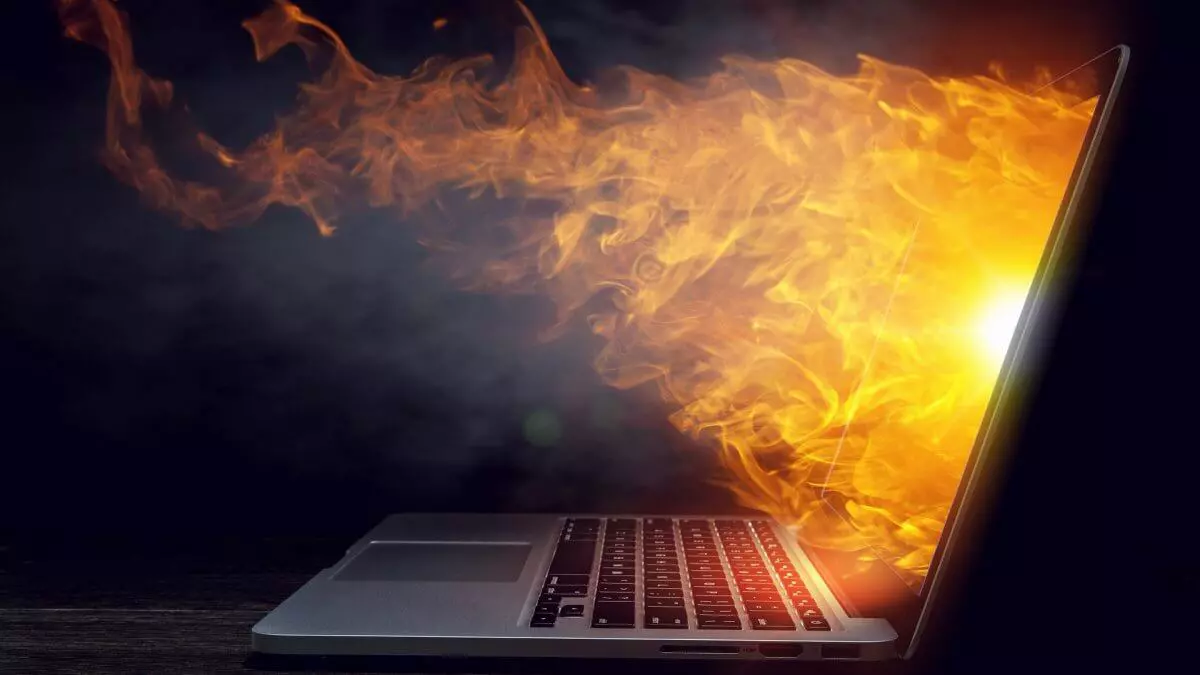
    Dirt and dust are your enemy no1, dirty graphic card can not be properly called and can cause overheating which can result in this particular error, make sure that your PC is clean and tidy in order to eliminate dust and dirt as a cause for malfunction.
  2. Turn off multiple applications and try running just one at a time
    Overburdening GPU can cause this error to appear since the graphic card can not handle all requests it gets from multiple active applications. Try to run just one application at a time for some time period to see if the error will appear again.
  3. Update driver
    Update your GPU driver to the latest version from the manufacturer's website, Display Driver Stopped Responding and Has Recovered Error in Windows 10 can be from outdated drivers not able to handle modern tasks
  4. Get newer GPU
    As hard as this advice is, sometimes the reason is an old graphic card that simply can not keep up with modern games and applications, upgrade it to a more modern GPU and watch errors go away.

Do You Need Help with Your Device?

Our Team of Experts May Help
Troubleshoot.Tech Experts are There for You!
Replace damaged files
Restore performance
Free disk space
Remove Malware
Protects WEB browser
Remove Viruses
Stop PC freezing
GET HELP
Troubleshoot.Tech experts work with all versions of Microsoft Windows including Windows 11, with Android, Mac, and more.

Share this article:

You might also like

What to do if you can’t delete Partition
There are times when it is really inevitable to delete your hard drive partitions especially if you are already running low on disk space in your Windows 10 computer. Users typically delete the volume which is not being used in such cases in order to free up some space for the volume that’s running low on disk space. To resolve the problem, users tend to use the Disk Management utility to delete hard drive partitions. However, some users reported that the “Delete volume” option is not available as it is grayed out. Thus, users aren’t able to delete hard drive partitions and aren’t able to free up disk space. This kind of problem usually occurs when there is a Page file on the volume that you are trying to delete and so on. Oftentimes, this issue is mistaken for the problem where you are unable to delete an EFI-protected partition. However, in this case, not only you are unable to delete EFI-protected partition but also NTFS file systems. This is really hard to deal with but worries not for there are some potential fixes you can check out to resolve this problem.

Option 1 – Try to manage the Page file in the Partition

As mentioned earlier, if a Page file exists in a partition, you won’t be able to delete it. The page file is what stores your data when the system’s random access memory fills up. To resolve this, follow these steps:
  • Go to the Start menu and type “View advanced system settings” in the field and open it from the search results.
  • Next, click on Settings in the Advanced tab.
  • On the new window that pops up, go to the Advanced tab and select Change.
  • Next, uncheck the checkbox of “Automatically manage paging file size for all drives” and highlight the drive you want to delete.
  • Then select “No paging file” and click on Set.
  • Now click on the Apply and OK buttons on all the windows and restart your computer.

Option 2 – Delete storage partition via Command Prompt

  • Tap the Win + X keys or right-click on the Start button and select Command Prompt (Admin) or you could also type in “cmd” in the Cortana search box and right-click on the Command Prompt icon and then select the “Run as Administrator” option from the context menu.
  • Once you have Command Prompt pulled up as admin, type in and enter this command – diskpart
  • After entering this command, the Diskpart Utility will start. Diskpart Utility is a command-line-based utility just like Command Prompt but it will get a UAC Prompt after you invoke it so you have to click Yes for the UAC Prompt.
  • After that, type in list volume and tap Enter to see the list of all the partitions created on your PC. This includes both types of partitions that are visible to the normal users in the File Explorer as well as the ones that are created by Windows 10 by default which helps it in storing the boot files and other essential system files.
  • You should see a list of all the partitions made on your computer. Select the partition you want to delete by its Unique Identification number as Volume X where X denotes the Unique Identification Number.
  • Next, type in the select volume number command and hit Enter to select the desired volume.
  • Then delete the volume you’ve selected and type in the delete volume command and hit Enter to delete the volume you just selected and convert it into unallocated space.

Option 3 – Delete storage partition via Windows PowerShell

  • Start by tapping the Win + X keys or simply right click on the Start button and select Windows PowerShell (Admin) or you could also type in “Windows PowerShell” in the Cortana search box and right-click on the Windows PowerShell icon and select the “Run as administrator” option.
  • Once you’ve opened the Windows PowerShell, type in the Get-Volume command and hit Enter to get a list of all the partitions on your PC.
  • Next, select the drive letter you want to delete and then type in the Remove-Partition –DriveLetter command and hit Enter to delete the selected partition. Note that you need to replace the drive letter with the letter of the partition you want to get rid of.
  • After that, it will ask you for confirmation. Just hit the Y key for Yes or hit the A key to say Yes to All. This will delete all the partition you’ve selected and will move them in as unallocated space.
Read More
Fix DLL is not designed to run on Windows
As you know, DLL files in the Windows environment contain all the code needed by programs in order to properly function. And like with most other software, the functions in the DLL file have to be compatible with Windows especially if they are using any built-in service. So if you encounter an error that says, “DLL is either not designed to run on Windows or it contains an error”, when you try to launch a program, then this could be due to a compatibility issue. To fix this error, read on as this post will walk you through doing that. Based on the reports of users who encountered this error, the error pointed to a DLL file that was either designed to run on a different version of Windows. It is also possible that the DLL file itself is the problem. Here’s the complete error message:
“Bad Image – DLL file is either not designed to run on Windows or it contains an error. Try installing the program again using the original installation media or contact your system administrator or the software vendor for support.”
According to security experts, the DLL files that are known to trigger this kind of error message are msvcr100.dll, msvcr110.dll, msvcp140.dll, lmirfsclientnp.dll, and so on. To fix this problem, you can try to update or reinstall the program that’s throwing the error to its latest version. You could also ask the vendor for the latest version of the DLL as well as run a System File Checker scan.

Option 1 – Try to update or reinstall the program to its latest version

The first thing you can do to fix the problem is to update or reinstall the program that’s throwing the error. It is possible that the version of DLL might be using a system call that is deprecated. So if you had updated your Windows 10 computer recently, you might want to check for an update of the software or you could also try to reinstall its latest version.

Option 2 – Try asking the vendor for the latest version of the DLL

The next thing you can do to fix the error is to ask for the latest version of DLL from the vendor. There are times when the software uses an open-source version of DLL so it is better if you ask the vendor if there is a DLL file that has to be updated. If there is, then you need to make sure to register the DLL once you have it.

Option 3 – Try to re-register the problematic DLL file

You can also try to re-register the DLL to resolve the problem. The Regsvr32 tool is a command-line utility that can be used to register and unregister OLE controls like DLL and ActiveX (OCX) controls in the Windows operating system. Follow the steps below to use it.
  • Open Command Prompt as admin from the WinX menu.
  • Next, type the following commands in the elevated Command Prompt and hit Enter to execute the command. This will re-register the affected DLL file using the Windows operating system tool, regsvr32.exe.
    • exe /[DLL file]
    • exe [DLL file]
Note: Replace “[DLL file]” with the name of the DLL file that was pointed out in the error.
  • After you execute the given commands, you should see a message saying, “DllRegisterServer in vbscript.dll succeeded” if the Regsvr32 tool was able to run successfully. After that, try to install the program again and see if it now works.

Option 4 – Try to replace the DLL file from a trusted source

  • First, you need to get the new DLL file from another computer with preferably the same file version number.
  • After that, you need to boot your PC into Safe Mode and navigate to the paths listed below and then replace the file using a USB drive or other external storage devices.
    • x86: This PC > C:/Windows/System32
    • x64: This PC > C:/Windows/SysWOW64
  • Next, type “cmd” in the Cortana search box and right-click on Command Prompt, and select “Run as administrator” to open it with administrator privileges.
  • Now type the “regsvr32 ntdll.dll” command and hit Enter.
  • Restart your PC and check if the error is now fixed.

Option 5 – Run System File Checker scan

If reinstalling the program didn’t work, you can also try running the System File Checker or SFC scan to fix the error. System File Checker is a command utility built into your computer that helps restore corrupted files and missing files. Refer to the following steps to run it:
  • Hit the Win + R keys to launch Run.
  • Type in cmd in the field and tap Enter.
  • After opening Command Prompt, type in sfc /scannow
The command will start a system scan which will take a few whiles before it finishes. Once it’s done, you could get the following results:
  1. Windows Resource Protection did not find any integrity violations.
  2. Windows Resource Protection found corrupt files and successfully repaired them.
  3. Windows Resource Protection found corrupt files but was unable to fix some of them.
 Reboot your computer.

Option 6 – Troubleshoot the isDone.dll error in a Clean Boot State

You can also troubleshoot the “DLL is either not designed to run on Windows or it contains an error” in a Clean Boot state. It could be that there are some third-party applications in your computer that are preventing the application from getting installed and to isolate this possibility, you need to boot your computer in a Clean Boot State and then try installing the program again. Putting your computer in this state can help you identify which program is the culprit and thus isolates the problem. In a Clean Boot state, your computer will start using only the pre-selected minimal set of drivers and startup programs. Note that you have to disable and enable one process at a time.
  • Log onto your PC as an administrator.
  • Type in MSConfig in the Start Search to open the System Configuration utility.
  • From there, go to the General tab and click “Selective startup”.
  • Clear the “Load Startup items” check box and make sure that the “Load System Services” and “Use Original boot configuration” options are checked.
  • Next, click the Services tab and select the “Hide All Microsoft Services” check box.
  • Click Disable all.
  • Click on Apply/OK and restart your PC. (This will put your PC into a Clean Boot State. And configure Windows to use the usual startup, just simply undo the changes.)
  • After you’ve set your computer into a Clean Boot State, make sure that you’re signed in as administrator and then try to install the application again.

Option 7 – Try scanning your computer using Windows Defender

The DLL file might also be infected with malware or virus and to eliminate it which could explain why you’re getting the “DLL is either not designed to run on Windows or it contains an error”. Thus, you have to scan your computer using security programs like Windows Defender.
  • Tap the Win + I keys to open Update & Security.
  • Then click on the Windows Security option and open Windows Defender Security Center.
  • Next, click on Virus & threat protection > Run a new advanced scan.
  • Now make sure that Full Scan is selected from the menu and then click the Scan Now button to get started.
Read More
Sites for COVID-19 information
Living in today's world sadly is still living in the COVID-19 pandemic. It has been more than a year and sadly pandemic is still very strong and we are battling it on a daily basis. Governments all over the world are trying to battle pandemics in their own way with their own ideas and prevention measures. We as individuals can not very much influence how will the pandemic itself go but fortunately in this modern age of information we can at least follow and be in the loop at the current state of the situation regarding it. Today instead of having a troubleshooting article or tips and trick for your PC we are doing something else but in the domain of internet technology, you know, just to keep everything still IT related ???? Below you will find websites with small descriptions of what they do to keep yourself informed and hope to get over this dreadful pandemic.
  1. The WHO’s COVID-19 Dashboard

    If you are interested in real-time COVID-19 information about active cases, death tool so far, new cases and the number of vaccines administrated so far I would recommend WHO's dashboard. How WHO is a non-government institution composed of doctors from all over the world with just a single goal in mind, to help and put an end to this pandemic is a great non-biased source of information on the current state of virus spread.
  2. Vaccine Finder

    Please be aware that Vaccinefinder is working only on the territory of the United States of America. The reason why it was included in this list is that basically it is a great idea and I hope to see this site expand on other world regions or at least that inspires the emergence of another worldwide website with this type of content. If you live in the USA, this site will be a great help since you can track where and how many shots are distributed to states and even towns in America.
  3. COVID tracking project

    This site is also for U.S. residents, this time it is about tracking cases in each state with details and statistics. If you are interested in more detailed statistics of hospitalized patients per state or overall you are just interested in statistics about the pandemic in the U.S. this site might provide all the information about your needs.
  4. NPR

    On national public radio or NPR for short, there is a special section devoted to the coronavirus where new articles about pandemic are released daily with new information and new findings on how to battle it and the current state of things. A great informational site to keep up with the current state of things.
  5. Google's COVID-19 page

    Google has not been inactive during this pandemic and on its page specially dedicated to the COVID-19 virus you can find a lot of free information updated daily. From safety and prevention tips to data about pandemics there is a lot of ground covered on-page and we recommend at least going through the prevention section to inform yourself how to keep yourself and others safe.
  6. Coronavirus tracker

    This daily updated chart can show how many cases and deaths are from chosen time period all in form of a chart, you can see charts for each country in the world how COVID cases rose or dropped along with the death tool it brought.
There you go, 6 websites to track and inform yourself about this dreaded pandemic which has managed to change the world and people's lives forever, sadly on the bad side.
Read More
Guide for FormFetcherPro.com Removal

FormFetcherPro.com is a Browser Extension for Google Chrome developed by Mindspark Inc. This extension offers users quick and easy access to various forms required for visas and other documents. While this may seem appealing, all this extension does is point you to the most popular websites online that can easily be found by searching. When installed it hijacks your new tab page and changes it to search.myway.com, enabling it to better target ads.

While browsing the internet with this extension enabled you will see additional sponsored content, additional ads, and sometimes even pop-up ads displaying throughout your browsing sessions. Several anti-virus programs have marked this extension as Potentially Unwanted and as a Browser Hijacker and are therefore recommended to remove it from your computer.

About Browser Hijackers

Browser hijacking means a malicious code has taken control over and altered the settings of your web browser, without your permission. Browser hijackers are capable of doing more than just changing home pages. Usually, hijackers will force hits to internet sites of their preference either to increase targeted traffic generating higher ad earnings, or to obtain a commission for every user visiting there. Many people believe that these types of sites are legitimate and harmless but that is incorrect. Nearly all browser hijackers pose an actual threat to your online safety and it is necessary to classify them under privacy dangers. Browser hijackers can even let other destructive programs without your knowledge further damage your computer.

Key signs that your web browser has been highjacked

When your web browser is hijacked, the following could happen: you find unauthorized changes to your web browser’s home page; your internet browser is constantly being redirected to adult sites; the default browser configurations have been changed, and/or your default search engine is altered; you see many toolbars on your internet browser; you’ll find random pop-ups start showing regularly; your web browser starts running slowly or exhibits frequent errors; Inability to navigate to certain sites, especially antivirus and other security software websites.

How it infects the computer

Browser hijackers can enter a PC in some way or other, for example via file sharing, downloads, and email as well. They sometimes are included with toolbars, add-ons, BHO, plugins, or browser extensions. Browser hijackers sneak into your pc in addition to free software application downloads also that you unwittingly install alongside the original. Common examples of browser hijackers include CoolWebSearch, Conduit, RocketTab, OneWebSearch, Coupon Server, Delta Search, Searchult.com, and Snap.do.

How you can fix a browser hijack

Some types of browser hijackers can be removed from the computer by uninstalling malicious software or any other recently added shareware. Having said that, the majority of hijackers are really tenacious and require specialized applications to eliminate them. Also, browser hijackers might modify the Windows registry so that it can be very tough to restore all the values manually, particularly when you are not a very tech-savvy individual. Anti-malware software is very efficient when it comes to catching and removing browser hijackers that regular anti-virus software has missed. SafeBytes Anti-Malware will counter relentless browser hijackers and provide you active PC protection against all types of malware. Utilize a pc optimizer (such as Total System Care) together with your anti-malware to repair various registry issues, eliminate system vulnerabilities, and improve your computer performance.

How To Install Safebytes Anti-Malware On An Infected Computer system

Practically all malware is bad, but certain kinds of malware do more damage to your computer or laptop than others. Some malware sits in between your PC and your internet connection and blocks some or all sites that you would like to check out. It would also prevent you from the installation of anything on your PC, especially antivirus software. If you are reading this article right now, you’ve perhaps realized that a malware infection is a reason for your blocked internet traffic. So what to do if you want to install an anti-virus program like Safebytes? There are a few actions you can take to get around this issue.

Use Safe Mode to resolve the issue

In Safe Mode, you can modify Windows settings, un-install or install some software, and eradicate hard-to-delete malware. In case the malicious software is set to load automatically when the PC starts, shifting to this particular mode can prevent it from doing so. In order to get into Safe Mode or Safe Mode with Networking, press F8 while the system is booting up or run MSConfig and locate the “Safe Boot” options in the “Boot” tab. Once you restart the PC into Safe Mode with Networking, you could download, install, and update anti-malware software from there. Now, you are able to run the anti-virus scan to remove viruses and malware without interference from another malicious application.

Switch to a different internet browser

Some malware mainly targets certain web browsers. If this is your case, utilize another browser as it could circumvent the malware. If you suspect that your Internet Explorer has been hijacked by a trojan or otherwise compromised by cybercriminals, the best course of action would be to switch over to a different internet browser like Google Chrome, Mozilla Firefox, or Apple Safari to download your chosen security program – Safebytes Anti-Malware.

Make a bootable USB anti-virus drive

Another approach is to download and transfer an anti-malware application from a clean computer to run a scan on the affected computer. To run anti-virus from a USB pen drive, follow these simple steps: 1) Use another virus-free PC to download Safebytes Anti-Malware. 2) Mount the pen drive on the same computer. 3) Double-click on the downloaded file to open the installation wizard. 4) When asked, select the location of the pen drive as the place in which you would like to store the software files. Do as instructed on the screen to finish off the installation process. 5) Unplug the flash drive. Now you can use this portable anti-virus on the infected computer. 6) Double-click the EXE file to open the Safebytes tool right from the thumb drive. 7) Click on “Scan Now” to run a complete scan on the affected computer for viruses.

SafeBytes Anti-Malware Overview

If you are planning to buy anti-malware for your PC, there are many brands and utilities for you to consider. Some are very good ones, some are ok types, while some are simply just fake anti-malware software that can harm your personal computer themselves! When looking for anti-malware software, select one that gives reliable, efficient, and comprehensive protection against all known computer viruses and malware. On the list of strongly recommended software by industry, analysts are SafeBytes Anti-Malware, popular security software for Microsoft Windows. SafeBytes anti-malware is a powerful, highly effective protection software designed to help end-users of all levels of computer literacy in finding and removing harmful threats out of their computer. When you have installed this program, SafeByte's state-of-the-art protection system will ensure that no viruses or malware can seep through your PC.

SafeBytes has outstanding features when compared with other anti-malware programs. Listed below are some of the features you will like in SafeBytes.

Most effective AntiMalware Protection: This deep-cleaning antimalware program goes much deeper than most antivirus tools to clean your personal computer. Its critically acclaimed virus engine detects and disables hard to remove malware that hides deep inside your PC. Real-time Active Protection: SafeBytes provides complete and real-time security for your personal machine. This tool will continuously keep track of your computer for any suspicious activity and updates itself continuously to keep current with the constantly changing threat scenarios. Internet Security: Through its unique safety score, SafeBytes tells you whether a website is safe or not to visit it. This will ensure that you’re always certain of your safety when browsing the internet. Minimal CPU and RAM Usage: This application is not “heavy” on your computer’s resources, so you’ll not find any performance troubles when SafeBytes is working in the background. Premium Support: For any technical inquiries or product guidance, you may get 24/7 professional assistance through chat and email. SafeBytes can keep your computer protected from the latest malware threats automatically, thereby keeping your web experience safe and secure. Malware trouble can become a thing of the past once you put this tool to use. So if you’re searching for the best malware removal tool out there, and when you don’t mind spending some money for it, go for SafeBytes Anti-Malware.

Technical Details and Manual Removal (Advanced Users)

To get rid of FormFetcherPro manually, go to the Add/Remove programs list in the Control Panel and select the program you want to get rid of. For browser plug-ins, go to your browser’s Addon/Extension manager and select the add-on you intend to disable or remove. You will most probably also want to reset your web browser to its default settings. To make sure of complete removal, find the following registry entries on your computer and delete it or reset the values accordingly. However, this is a tough task and only computer professionals can carry it out safely. In addition, some malware is capable of replicating or preventing removal. Carrying out this in Safe Mode is recommended.
Files: %UserProfile%\Local Settings\Application Data\Google\Chrome\User Data\Default\Sync Extension Settings\jcohbbeconnbknaeaodohnjcelemnlfc %LOCALAPPDATA%\Google\Chrome\User Data\Default\Local Extension Settings\jcohbbeconnbknaeaodohnjcelemnlfc %UserProfile%\Local Settings\Application Data\Google\Chrome\User Data\Default\Local Extension Settings\jcohbbeconnbknaeaodohnjcelemnlfc %LOCALAPPDATA%\Google\Chrome\User Data\Default\Extensions\jcohbbeconnbknaeaodohnjcelemnlfc %UserProfile%\Local Settings\Application Data\Google\Chrome\User Data\Default\Extensions\jcohbbeconnbknaeaodohnjcelemnlfc Registry: HKEY_LOCAL_MACHINE\Software\Google\Chrome\PreferenceMACs\Default\extensions.settings, valeur: jcohbbeconnbknaeaodohnjcelemnlfc HKEY_LOCAL_MACHINE\Software\Microsoft\Internet Explorer\DOMStorage\formfetcherpro.dl.myway.com HKEY_LOCAL_MACHINE\Software\Microsoft\Internet Explorer\DOMStorage\formfetcherpro.dl.tb.ask.com HKEY_CURREN_USER\SOFTWARE\Wow6432Node\FormFetcherPro HKEY_CURREN_USER\SOFTWARE\FormFetcherPro
Read More
Fix 0xC03A0005 error in Windows 10
When performing a Windows Backup to the NAS device (backup to a network share) that is running Samba, fails with an error message The backup failed, The version does not support this version of the file format (0xC03A0005). The problem occurs because of a conflict with the VHD file that is created by Windows Backup and is mounted during the process. There are three types of VHD files:
  1. Fixed,
  2. Expandable
  3. Differencing
If the VHD file is a sparse file that is not supported by the native VHD driver, the mounting will fail, and you will get this error. An example VHD file is one that keeps expanding depending on the backup size. The problem occurs only in the case of  File Level backup (file/folders in a volume) but not on the block level backup as the vhd file is never mounted. However, in the case of File Level Backup, the vhd is mounted, created by Windows Backup, which does not support the mounting of sparse files.

The solution is to use Strict Allocate: option in the smb.conf file

Login to SMB using SSH. Open the configuration file using the VI editor located at /etc/samba/smb.conf. If the option is not there, you can manually add strict allocate = yes which will make sure there are no sparse file that is created.
Read More
How to Fix Logon.scr Application Error

Logon.scr Application Error - What is it?

To understand Logon.scr application error, it is first important to understand the function of logon.scr. Logon.scr is an important file that is located in the Windows\System32 folder. It guarantees Windows systems stability. Logon.scr application error occurs when logon.scr file gets corrupt. It is a common system error that can happen in most Windows platforms. It usually pops up during system start-ups and when trying to launch certain programs. Some of the common systems of this error code include: system halt, freeze, no application icons are visible on the desktop, random blue screen of death and system performance decreases dramatically.

Solution

Restoro box imageError Causes

Two of the most common causes of logon.scr application error is:
  • Corrupted and damaged logon.scr file
  • Viral infection
It is advisable to fix this error code immediately because it leads to serious damages. It is fatal and can result in a system crash; therefore resolve it right away.

Further Information and Manual Repair

To resolve this issue on your computer you don’t have to spend hundreds of dollars to hire a professional for the job. The good news is that it can be repaired easily and does not require any technical expertise. Here are some of the most effective and easy DIY methods to resolve the error on your screens.

Method 1 - Replace the Damaged and the Corrupted Logon.scr File

Whether the file gets corrupted or is accidentally deleted, the best way to fix the issue is to download the Logon.scr file again from a reliable website and install in the following location C:\Windows\System32. Alternatively you can also get the file copy form another proper functioning computer by using flash drive if you don’t have an internet connection to download the logon.scr file online.

Method 2 - Restore Points by Applying System Restore of Windows

Another way to resolve this is to restore points to bring back your system to the previous state before the error occurred. To do this, simply click the start button and type ‘System Restore’. Now click System Restore in the result and click next. Select the restore point in the list and click the next button to proceed. To activate changes reboot your PC.

Method 3 - Scan and Remove Viruses

If Logon.scr application error still persists, then it could be due to viruses. To resolve, install a powerful anti-virus. Scan your entire PC and remove viruses.

Method 4 - Repair the Registry

Corrupt and damaged Logon.scr file also triggers issues with the registry. DLL files and other important files like Logon.scr application files may get damage due to too many bad and invalid registry entries. Registry stores all the activities performed on the PC including unnecessary files like junk files and cookies. If these are not removed timely, these files accumulate and corrupt important files. Therefore, to fix the error it is advisable to clean and repair the registry. The best way to go about is to download Restoro. This is a user-friendly and multi-functional PC Fixer deployed with a registry cleaner. It scans for all registry errors and removes all the invalid entries. It cleans the registry and repairs the damaged files thereby resolving the issue in seconds. Click here to download Restoro and resolve the Logon.scr application error now!
Read More
How to remove MyWebFace

MyWebFace is a browser extension developed by Mindspark. This extension claims to allow users to easily access websites that allow them to make a cartoon portrait of themselves. While this may seem interesting in the beginning, all this extension does is to add links to already popular websites that are easy to find.

When installed MyWebFace changes your default search engine and your home page to MyWay.com.

While the extension is running it gathers user browsing information, allowing it to mine data and better server unwanted ads throughout your browsing sessions. MyWebFace has been marked as a Browser Hijacker by many anti-virus programs, and while not considered malware, it is not recommended to keep it on your computer.

About Browser Hijackers

Browser hijackers (sometimes referred to as hijackware) are a type of malicious software that alters web-browser configurations without the user’s knowledge or consent. These hijacks happen to be rising at a worrying rate worldwide, and it could be really nefarious and sometimes harmful too. Browser hijackers are capable of doing a variety of things on your PC. In general, hijackers are made for the benefit of online hackers often through revenue generation that comes from forced ad clicks and website visits. Although it may seem naive, all browser hijackers are harmful and thus always classified as security risks. Browser hijackers could also let other destructive programs without your knowledge further damage the computer.

Indications of browser hijack

There are numerous signs that indicate the browser is highjacked: 1. the browser’s home page is changed 2. if you enter a URL, you find yourself constantly directed to a different web page than the one you intended 3. the default web engine has been changed and your web browser security settings have been lowered without your knowledge 4. unsolicited new toolbars are added to your web browser 5. you observe numerous ads pop up on the web browsers or computer screen 6. your browser gets sluggish, buggy crashes often 7. you can’t go to certain websites like home pages of anti-malware software.

How does a browser hijacker infect a PC

Browser hijackers can get into a PC in some way or other, for instance via downloads, file sharing, and e-mail also. They also come from add-on applications, also known as browser helper objects (BHO), web browser extensions, or toolbars. Also, some shareware and freeware can put the hijacker within your computer through “bundling”. Typical examples of browser hijackers include Conduit, CoolWebSearch, OneWebSearch, Coupon Server, RocketTab, Snap.do, Delta Search, and Searchult.com. Browser hijacking can cause severe privacy problems and even identity theft, disrupt your browsing experience by taking control over outgoing traffic, substantially slows down your PC by deleting lots of system resources, and lead to system instability at the same time.

Browser Hijacker Malware – Removal

Certain hijackers can be removed simply by uninstalling the corresponding freeware or add-ons from the Add or Remove Programs in the Windows control panel. In some cases, it can be a difficult task to discover and get rid of the malicious piece because the associated file will be running as part of the operating system process. Moreover, manual removal requires you to execute several time-consuming and complex procedures that are tough to conduct for inexperienced computer users. Browser hijackers could be effectively removed by installing the anti-malware application on the affected system. To get rid of any type of browser hijacker from your computer, you could download this particular top-notch malware removal program – SafeBytes Anti-Malware. And use a system optimizer, such as Total System Care, to eliminate all related files from the registry and repair browser issues.

Tips on How to Eliminate a Virus that is Blocking Websites or Preventing Downloads

Malware may cause several different types of damage to PCs, networks, and data. Some malware is meant to restrict or block things that you wish to do on your personal computer. It may well not permit you to download anything from the internet or stop you from accessing some or all sites, in particular the anti-virus sites. If you’re reading this, chances are you’re stuck with a malware infection that is preventing you to download or install the Safebytes Anti-Malware program on your system. Even though this type of problem can be tougher to get around, there are a few actions you can take.

Start Windows in Safe Mode

The Windows OS includes a special mode known as “Safe Mode” where just the bare minimum required programs and services are loaded. In case the virus is set to load immediately when the PC starts, switching to this mode may prevent it from doing so. To start the computer into Safe Mode, press the “F8” key on the keyboard right before the Windows boot screen appears; Or after normal Windows boot up, run MSCONFIG, look over “Safe Boot” under the Boot tab, and click Apply. Once you’re in safe mode, you can attempt to install your antivirus software application without the hindrance of the malicious software. Following installation, run the malware scanner to eliminate standard infections.

Switch over to an alternate internet browser

Some malware only targets certain internet browsers. If this is your case, utilize another web browser as it might circumvent the computer virus. If you suspect that your Internet Explorer has been hijacked by malware or otherwise compromised by hackers, the best course of action is to switch to an alternate browser like Chrome, Firefox, or Safari to download your favorite computer security software – Safebytes Anti-Malware.

Install and run anti-virus from a USB drive

To effectively get rid of the malware, you should approach the problem of running an anti-malware software program on the affected computer from a different angle. To run anti-virus using a USB flash drive, follow these simple steps: 1) Use another virus-free computer system to download Safebytes Anti-Malware. 2) Insert the USB drive into the uninfected PC. 3) Double-click the Setup icon of the anti-malware software package to run the Installation Wizard. 4) When asked, select the location of the USB drive as the place in which you would like to store the software files. Do as instructed on the screen to complete the installation process. 5) Transfer the thumb drive from the clean computer to the infected computer. 6) Double-click the anti-malware software EXE file on the USB flash drive. 7) Click the “Scan Now” button to start the virus scan.

Highlights of SafeBytes Anti-Malware

If you are looking to install an anti-malware program for your PC, there are numerous tools on the market to consider nonetheless, you just cannot trust blindly anyone, irrespective of whether it is a free or paid program. A few of them do a good job in removing threats while some will harm your computer by themselves. You should choose one that is efficient, practical, and has a strong reputation for its malware source protection. On the list of strongly recommended software is SafeBytes Anti-Malware. SafeBytes has a superb history of top-quality service, and customers appear to be very happy with it. SafeBytes anti-malware is a reliable tool that not only secures your PC permanently but is also quite easy to use for people of all ability levels. With its outstanding protection system, this utility will quickly detect and remove the majority of the security threats, including browser hijackers, viruses, adware, ransomware, trojans, worms, and PUPs.

There are many amazing features you will get with this particular security product. Listed below are a few of the great ones:

Antimalware Protection: Using its enhanced and sophisticated algorithm, this malware elimination tool can identify and remove the malware threats hiding in your PC effectively. Real-time Threat Response: Malware programs looking to enter the computer are discovered and stopped as and when detected by the SafeBytes real-time protection shields. This tool will continuously monitor your PC for any suspicious activity and updates itself continuously to keep abreast of the constantly changing threat scenarios. Faster Scanning: This software has one of the fastest and most powerful virus scanning engines in the industry. The scans are extremely accurate and take a little time to complete. Safe Web Browsing: Through its unique safety ranking, SafeBytes notifies you whether a site is safe or not to visit it. This will assure that you’re always certain of your online safety when browsing the net. Minimal CPU Usage: SafeBytes is a lightweight and user-friendly anti-virus and anti-malware solution. As it uses very low computer resources, this program leaves the computer’s power exactly where it belongs: with you actually. 24/7 Guidance: You can obtain absolutely free 24/7 technical assistance from their computer experts on any product queries or PC security issues. To conclude, SafeBytes Anti-Malware is really great for securing your computer against all kinds of malware threats. You now may understand that this particular software does more than just scan and eliminate threats in your PC. You will get the best all-around protection for the money you spend on SafeBytes Anti-Malware subscription, there isn’t any doubt about it.

Technical Details and Manual Removal (Advanced Users)

If you wish to manually remove MyWebFace without the use of an automated tool, it might be actually possible to do so by removing the program from the Windows Add/Remove Programs menu, or in cases of browser plug-ins, going to the browsers AddOn/Extension manager and removing it. You will likely also want to reset your browser. Lastly, check your hard disk for all of the following and clean your computer registry manually to remove leftover application entries after uninstallation. However, editing the registry can be a difficult job that only advanced users and professionals should try to fix it. Moreover, certain malicious programs are capable to defend against its deletion. You’re advised to do this process in Safe Mode.
Files: %PROGRAMFILES%\MyWebFace_5aEI\Installr.binaEZSETP.dll %PROGRAMFILES%\MyWebFace_5aEI\Installr.bin\NP5aEISb.dll Search and Delete: 5aauxstb.dll 5abar.dll 5abarsvc.exe 5abrmon.exe 5abrstub.dll 5adatact.dll 5adlghk.dll 5adyn.dll 5afeedmg.dll 5ahighin.exe 5ahkstub.dll 5ahtmlmu.dll 5ahttpct.dll 5aidle.dll 5aieovr.dll 5aimpipe.exe 5amedint.exe 5amlbtn.dll 5amsg.dll 5aPlugin.dll 5aradio.dll 5aregfft.dll 5areghk.dll 5aregiet.dll 5ascript.dll 5askin.dll 5asknlcr.dll 5askplay.exe 5aSrcAs.dll 5aSrchMn.exe 5atpinst.dll 5auabtn.dll CREXT.DLL CrExtP5a.exe NP5aStub.dll T8EXTEX.DLL T8EXTPEX.DLL T8HTML.DLL T8RES.DLL T8TICKER.DLL Folders: C:\Documents and Settings\username\Application Data\Mozilla\Firefox\Profiles\gb5e8gtn.default\extensionsaffxtbr@MyWebFace_5a.com C:\Documents and Settings\username\Application Data\MyWebFace_5a C:\Program Files\MyWebFace_5a Registry: Key HKLM\SOFTWARE\MyWebFace_5a Key HKLM\SOFTWARE\MozillaPlugins\@MyWebFace_5a.com/Plugin Key HKLM\SOFTWARE\Microsoft\Windows\CurrentVersion\Uninstall\MyWebFace_5abar Uninstall Key HKLM\SOFTWARE\Microsoft\Windows\CurrentVersion\Explorer\Browser Helper Objects\b1df253a-9e7a-480d-b6a5-7a435b520dbb Key HKLM\SOFTWARE\Microsoft\Windows\CurrentVersion\Explorer\Browser Helper Objects\14d02517-c8be-4735-a344-3c8366c77aa0 Key HKLM\SOFTWARE\Classes\MyWebFace_5a.ThirdPartyInstaller Key HKLM\SOFTWARE\Classes\MyWebFace_5a.SkinLauncherSettings Key HKLM\SOFTWARE\Classes\MyWebFace_5a.SkinLauncher Key HKLM\SOFTWARE\Classes\MyWebFace_5a.ScriptButton Key HKLM\SOFTWARE\Classes\MyWebFace_5a.SettingsPlugin Key HKLM\SOFTWARE\Classes\MyWebFace_5a.RadioSettings Key HKLM\SOFTWARE\Classes\MyWebFace_5a.Radio Key HKLM\SOFTWARE\Classes\MyWebFace_5a.PseudoTransparentPlugin Key HKLM\SOFTWARE\Classes\MyWebFace_5a.MultipleButton Key HKLM\SOFTWARE\Classes\MyWebFace_5a.HTMLPanel Key HKLM\SOFTWARE\Classes\MyWebFace_5a.HTMLMenu Key HKLM\SOFTWARE\Classes\MyWebFace_5a.FeedManager Key HKLM\SOFTWARE\Classes\MyWebFace_5a.DynamicBarButton Key HKLM\SOFTWARE\Microsoft\Windows\CurrentVersion\Run\ Value: MyWebFace_5a Browser Plugin Loader Data: 5aPlugin.dll Key HKLM\SOFTWARE\Microsoft\Windows\CurrentVersion\Run\ Value: MyWebFace Search Scope Monitor Data: 5abrmon.exe Key HKLM\SOFTWARE\Microsoft\Windows\CurrentVersion\Run\ Value: MyWebFace Data: MyWebFace.dll
Read More
Remove Task View button from Windows 11
Task ViewTask View feature inside Windows 11 is actually a great feature, letting you quickly view open windows and virtual desktops. How Task view itself could be reached with keyboard shortcut combination of ⊞ WINDOWS + TAB some users will prefer this way of using it and thus button on the taskbar is something you do not want or need. There is a very easy way to remove mentioned button and I will show you how to do it. Right-click the taskbar button itself and click on Hide From Taskbar. That’s it, you have done it. Now in order for you to bring it back if you change your mind, you will have to do some extra steps but it is nothing difficult. Right-click on the taskbar and click on Taskbar settings, you will be lead to Personalization > Taskbar. Inside locate Taskbar Items and switch Task View to ON, you will see the Task View button right away showing itself again.
Read More
How to Turn off Advertising ID in Windows
In case you don’t know, Microsoft hooks up every machine that is running Windows 10 with an Advertising ID which helps them in providing Windows 10 users with relevant ads. These ads are delivered to users in the Action Center, Start Menu as well as the ads inside the UWP Applications. What makes these advertisements relevant is that they keep track of your browsing trends, likes and dislikes, with the help of the Advertising ID. However, if you are not fond of advertisements and you do not want this feature of Microsoft to track your usage, worry not for you actually have the option to disable targeted ads on your Windows 10 computer by turning off the Advertising ID. And you can do that during Windows 10 Setup or using the Group Policy Editor. For more details, refer to the instructions provided below for each one of the methods.

Option 1 – Turn off Advertising ID during Windows 10 setup

If you are about to install Windows 10, then during the installation process, your computer boots into the Install and Configure Windows 10 screen with Cortana that assist you during the setup. Once you reach the last page which is “Choose privacy settings for your device”, you will see the Advertising ID of your computer. Under the Advertising ID, you have to disable or toggle off the “Apps can use advertising ID to provide more personalized advertising in accordance with the privacy policy of the app provider” option. After you disable it, click on the Accept button to proceed with the installation. After that, the copy of your Windows 10 you are using will have the Advertising ID disabled by default.

Option 2 – Turn off Advertising ID via Group Policy Editor

  • First, tap the Win + R keys to launch the Run utility.
  • Then, type “gpedit.msc” in the field and click OK or tap Enter to open the Group Policy Editor.
  • Next, navigate to this group policy setting: Computer Configuration > Administrative Templates > System > User Profiles
  • Now double click on the “Turn off the advertising ID” option and set the radio button to Enabled. Once you do, you will see the following description on your screen:
“This policy setting turns off the advertising ID, preventing apps from using the ID for experiences across apps. If you enable this policy setting, the advertising ID is turned off. Apps can’t use the ID for experiences across apps. If you disable or do not configure this policy setting, users can control whether apps can use the advertising ID for experiences across apps.” Note that setting the radio button to Enabled or Not Configured will turn off the data collection of the Advertising ID.
  • Finally, exit the Group Policy Editor and then restart your computer to apply the changes made successfully.
Read More
Fix Power surge on the USB port
USB ports, just like any other ports, also comes with a power rating. The default power output of a standard USB port is 0.5 amperes and if you notice, mobile phones charge slowly on USB ports which explains why. There are times when Windows may throw an error or warning that says, “Power surge on the USB port”. This kind of error occurs when a connected device tried to draw more power and the error comes as a part of that notification so when you select it, it will say,
“A USB device has malfunctioned and exceeded the power limits of its hub port. You should disconnect the device”.
To easily fix the problem, you can try to disconnect the device and click on Reset and if you click on Close, the port will not work until you unplug it and then restart your computer. On the other hand, if disconnecting the device did not resolve the problem, you can try running the Hardware & USB troubleshooter or use a USB hub. You can also try to reinstall, uninstall or roll back the USB drivers or run the OEM diagnostics. For more information, refer to each one of the potential fixes provided below.

Option 1 – Try to run the Hardware & USB troubleshooter

  • The first thing you need to do is click on Start and then on the gear-like icon to pull up the window for Settings.
  • After opening Settings, look for the Update and Security option and select it.
  • From there, go to the Troubleshoot option located on the left-hand side of the list.
  • Next, select Hardware and Devices from the list and open the Troubleshooter and run it. Once it is doing its job, wait for it to complete the process and then restart the system.
  • After the system restarts, check if the problem’s now fixed. If not, refer to the next option given below.
Note: You could also try to run the USB troubleshooter as it could also resolve the problem.

Option 2 – Try to use a USB hub

If you’ve encountered the error on a specific device, then it is possible that the device requires more voltage. To fix this error, you can try to use the same device on another computer and if you still got the same error, you might want to use a USB hub that comes with its power source. USB hubs come with high-speed charging ports that should be able to supply the power needed for the device.

Option 3 – Update, rollback or reinstall the Universal Serial Bus Controller driver

If updating the drivers of the device did not fix the “The device is not ready” error, you can try to update, rollback, or reinstall the Universal Serial Bus Controller drivers instead of using the Device Manager. Refer to the following steps:
  • First, click the Start button and type “device manager”.
  • Then click on the “Device Manager” from the search results to open it.
  • From there, look for the “Universal Serial Bus controllers” option and then right-click on each one of the USB drivers and select the Update Driver from the menu.
Note: If it is a regular USB drive, then it will be listed as a USB Mass Storage Device but if you have a USB 3.0 device, then look for a USB 3.0 Extensible Host Controller.
  • Restart your PC and then click the “Search automatically for updated driver software” option.
Note: If updating the USB Controller drivers didn’t work, you can try to reinstall them instead.

Option 4 – Try running OEM Diagnostics if you have any

If the laptop or desktop computer you are using is a branded one, OEMs usually include software to diagnose issues in the computer like the USB port error. So if you have this software, try to run it for diagnosis and use any given suggestions to fix the error.
Read More
1 2 3 171
Logo
Copyright © 2023, ErrorTools. All Rights Reserved
Trademark: Microsoft Windows logos are registered trademarks of Microsoft. Disclaimer: ErrorTools.com is not affiliated with Microsoft, nor claims direct affiliation.
The information on this page is provided for information purposes only.
DMCA.com Protection Status