Program and features are Control panel section where once accessed contains all programs installed on the operating system. From these windows, any logged-in user can modify applications, uninstall them, etc. If for whatever reason you want to limit this access to users and remove this group from the control panel please do keep reading as we show you how you can achieve this desired result using two methods: via policy editor or registry editor. Feel free to use any provided method as both works (except on Windows 10 Home edition) and achieve the same thing, it all comes down to preferred preference on how you wish to do things.
Local group policy editor method
This method is more straightforward and easier perhaps than its counterpart but it has one significant drawback, it will not work on Windows 10 Home edition which does not have in itself a policy editor included. If you are using Windows 10 Home edition then feel free to skip this method and do it via registry editor. That being said let's start:
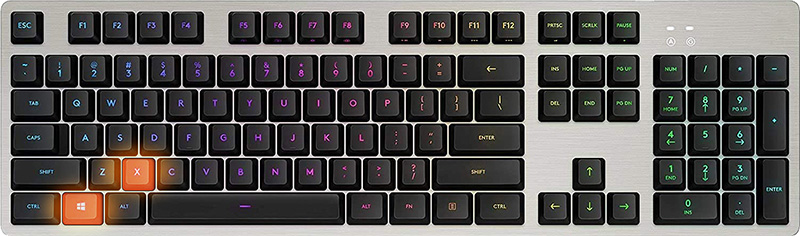
Press ⊞ WINDOWS + R to open the run dialog
Inside run dialog type in gpedit.msc followed by ENTER to open Group policy editor
Go to User Configuration\ Administrative Templates\ Control Panel\ Programs\
Double-click on the setting named Hide Programs and Features page
Change the toggle option from Not Configured to Enabled
Click on the Apply button and then the Ok button to save the changes
at this point, everything is supposed to be applied and your changes should take effect immediately. However, it has come to our attention that sometimes this is not the case. If you are one of these users which for whatever reason have not experienced applying to set momentarily do not despair and follow this quick guide on how to refresh settings and apply them right away.
Press ⊞ WINDOWS + X to open the hidden menu
Click on command prompt (admin)
In command prompt type in gpupdate /force and press ENTER in order to force update and set setting right away
Registry editor method
The registry editor method is a more complex one but it will be your only way of doing it if as mentioned you are running Windows 10 Home edition. As always it is highly recommended to make a backup of the Windows registry before tempering with it.
Press ⊞ WINDOWS + R to open the run dialog
Inside run dialog type in regedit and press ENTER to open the registry editor
If you would like to make a backup of the Windows registry go to File > Export and save the backup on a secure location naming it as you wish
Locate the following key inside the registry editor HKEY_CURRENT_USER\Software\Microsoft\Windows\CurrentVersion\Policies\Programs
Right-click on the right pane of the Programs key and choose the New > DWORD (32-bit) Value option
Name the value as NoProgramsAndFeatures
Double-click on the NoProgramsAndFeatures value to open it
Change the value data to 1
Save the changes
Reboot the computer in order for changes to take effect.
note: you can always change values back in order to show again panel by changing the value to 0 in registry editor or choosing Not Configured or Disabled in the local group policy editor
KMODE_EXCEPTION_NOT_HANDLED seems to be connected primarily to a third-party driver, e1d65x64.sys associated with the Intel(R) Gigabit adapter, NIC/Wired network NDIS (Network Driver Interface Specification) 6.x driver. Error is known to produce the dreaded blue screen of death or BSOD.
Most usually error is connected with gaming on Windows 10 computer and it manifests itself during gaming sessions.
If you are unlucky and you are faced with this unfortunate error we will be happy to try to help you and present with tips and tricks in order for you to find a solution for it.
Before you proceed with the provided solutions, be sure you have sufficient disk space on the Windows drive, run Disk Cleanup and then run CHKDSK.
1) Run the Blue Screen Online Troubleshooter
Open Control Panel, change the view setting to icons. Click Troubleshooting, and click “View all” in the tasks pane. Click “Blue Screen”. This opens the Blue Screen Troubleshooter.
2) Run Driver Verifier
Start a Command Prompt window by selecting Run as an administrator, and type verifier to open Driver Verifier Manager.
Select Create standard settings (the default task), and select Next. You can also choose to Create custom settings to select from predefined settings, or to select individual options. For more information, see Driver Verifier options and rule classes and Selecting Driver Verifier Options.
Under Select what drivers to verify, choose one of the selection schemes described in the following table.
Driver verifier table:
Option
Recommended use
Automatically select unsigned drivers
Useful for testing on computers that are running versions of Windows that do not require signed drivers.
Automatically select drivers built for older versions of Windows
Useful for testing driver compatibility with newer versions of Windows.
Automatically select all drivers installed on this computer
Provides maximum coverage in terms of the number of drivers that are tested on a system. This option is useful for test scenarios where a driver can interact with other devices or drivers on a system.
This option can also exhaust the resources available for Special Pool and some resource tracking. Testing all drivers can also adversely affect system performance.
Select driver names from a list
In most cases, you will want to specify which drivers to test.
Selecting all drivers in a device stack allows the Enhanced I/O Verification option to track objects and check compliance because an I/O request packet (IRP) is passed between each of the drivers in the stack, which allows for a greater level of detail to be provided when an error is detected.
Select a single driver if you are running a test scenario that measures system or driver performance metrics, or if you want to allocate the greatest number of resources available for detecting memory corruption or resource tracking issues (such as deadlocks or mutexes). The Special Pool and I/O Verification options are more effective when used on one driver at a time.
If you chose Select driver names from a list, select Next, and then select one or more specific drivers.
Select Finish, and then restart the computer.
3) Update network device drivers
Go to the official Intel website and try to find newer versions of drivers, if there are none perhaps you will need to revert back to the previous version.
4) Scan memory for issues
Run a memory test on your system, sometimes these errors can be traced back to a faulty RAM bank.
5) Stop over-clocking your PC
If you have overclocked your PC please reverse it back to its original state and see if that would solve the issue
6) Perform System Restore to the previous restore point
If none of the previous solutions have bared fruit, roll back to a previous restore point and that should solve the issue.
Error 10013 is a type of Socket Windows PC error. Socket error 10013 occurs when the attempt to access the server is denied. This indicates that the needed socket connection is denied which further implies that a port is blocked or unreachable.
Solution
Error Causes
The socket error 10013 can occur due to multiple reasons:
Antivirus or firewall software
Incompatible drivers
Registry corruption
Misconfigured files
Further Information and Manual Repair
To resolve the socket error 10013 on your PC, here are some methods that you can try:
1. Disable Firewall
To resolve this issue on your PC, you may have to temporarily disable Firewall. Sometimes Firewall can stop you from connecting to the server. Try doing this; it is most likely to resolve the error. If the Firewall is the reason for the denied access, turning it off will surely help.
2. Disable your Antivirus Software
If disabling the Firewall doesn’t resolve the issue, try disabling your antivirus software temporarily. If the error still persists, then try other solutions listed below.
3. Upgrade Drivers
Incompatible drivers could be a reason too for denied server access.
Your server may no longer be using the drivers that you have on your PC which is why you may not be getting permission to access it. If this is the cause, then the best way to resolve it is to upgrade drivers. To find out about new drivers, visit the software manufacturer’s website for new drivers and then download them to your PC.
4. Registry Issues
Sometimes the underlying cause of the error could be registry issues and misconfigured files.
If you don’t wipe out unnecessary and obsolete files from your systems like junk files, cookies, internet history, temporary files, and other files from your PC, it can damage and corrupt the registry and misconfigured files thereby causing socket error 10013 on your system.
To resolve registry issues and repair your PC, download Restoro. It is an advanced, easy to use, and highly functional PC fixer embedded with multiple utilities including a powerful registry cleaner. It is deployed with an intuitive algorithm that scans and detects all registry issues in seconds.
It removes all the unnecessary and obsolete files stored in your PC overloading your registry. This registry cleaner repairs the damaged and misconfigured files and restores the registry, thereby resolving socket error 10013 on your system right away.
It has simple navigations and a user-friendly interface which makes it very easy for all levels of users to work around and use it to its maximum advantage. Furthermore, it can be installed on all Windows PC.
Restoro is compatible with all Windows versions.
In addition to this, it also includes several other value-added features such as an antivirus, a system optimizer, and an Active X controls and class scanner. These utilities can be used to resolve numerous other PC-related errors.
Click here to download Restoro today and resolve socket error 10013 on your PC right away.
To understand what Files.exe Error code is, it is first important for you to know what EXE stands for, and EXE files function.
EXE is the abbreviation for Executable. It is a file extension for an executable file format. This file contains a program that is a particular file type capable of being executed or run as a program. The Windows Operating System contains literally thousands of executable files.
Every program that you have installed on your PC runs because the .exe application files execute the tasks. Files.exe are also used by websites that are not entirely static to display properly.
There are thousands and thousands of exe files on your PC that are supported by millions of Dynamic Link Library (DLL) files.
It is advisable to run executable files from publishers you trust because these files can potentially change your computer settings and harm your PC.
The files Exe error code occurs when you are unable to open and run executable files. The error message is often displayed in either of the following formats:
‘Access Deny’, ‘Runtime error ‘
Windows cannot find FileName.exe
Windows cannot find FileName.exe. This program is needed for opening files of type "ProgramName".
Windows cannot find ProgramName. Make sure you typed the name correctly
Solution
Error Causes
The files Exe error code can be triggered due to multiple causes:
Corrupt registry
Viral infection- This changes the default configuration for running exe files
Missing files
Invalid registry entries
If this error occurs on your PC, it is advisable to fix it immediately to ensure your desired programs run smoothly. Also, if not fixed timely it can lead to serious PC damages like system failure, registry corruption and also put you at risk of privacy errors if the cause of this error is viral infection and spyware.
Further Information and Manual Repair
To resolve the files.exe error on your PC, try the solutions given below:
Clean and Restore the Registry Manually
If the files.exe error occurs on your system due to registry corruption, then to resolve it you need to clean it and restore it back. You can do this manually and automatically.
The manual way is slightly time-consuming and tricky. If you are not a computer programmer and don’t have sound technical expertise, then you may find the manual procedure of cleaning the registry complex. However, we’ll be discussing both methods one by one.
The registry is the main database of the PC. It saves all the files on your system including both important and unnecessary files and obsolete files like bad keys, invalid registry entries, temporary files, cookies, internet history, and junk files.
It is important to delete these files from the registry because they take up a lot of disk space and also damage and corrupt the registry. And when this happens, you start experiencing file.exe errors.
To clean and repair the registry manually, here’s what you should do:-
First, go to the start menu and then click run.
Now type ‘command.com’ and press enter.
After this, type the following commands: “cd” press enter then “cd windows” press enter.
Type copy ‘regedit.exe regedit.com” and press enter again.
After that type ‘start regedit.com” and press enter. Now navigate to and select the key: HKEY_CLASSES_ROOTexefileshellopencommand.
Once you select the key, in the right pane double click the default value.
Delete the current value data and simply insert “%1”%*.
Close the Regedit (registry editor) utility. Now try running your desired program; it is most likely to resolve the error if it occurred due to registry corruption.
Clean & Restore Registry Automatically with Restoro
To clean and restore the registry automatically in seconds, run a deep Registry system scan using Restoro.
This is a powerful registry cleaner deployed with intuitive algorithms that scan for all types of registry issues on the system. It wipes out all the unnecessary files in seconds, clearing up the cluttered disk, and also simultaneously repairs and restores the registry. In just a few simple clicks the error is resolved.
Run an Antivirus
If the files.exe error code is triggered by viral infection and spyware, then to resolve it install and run an antivirus. However, once you install an antivirus, your PC speed may slow down dramatically. This is often compromise users have to make to keep viral infection and malware away from their systems.
But you don’t have to make this compromise if you download Restoro.
This tool is more than just a powerful registry cleaner. It is embedded with multiple utilities that help remove practically all types of PC-related issues. These utilities include antivirus and a system optimizer. The antivirus utility scans and removes all malicious software on your system and while the system optimizer module boosts your system’s speed.
Total System Care is safe, multi-functional, and efficient software. It is compatible with all Windows versions.
To resolve files.exe error on your PC, click here to download Restoro NOW!
In today's IT world, if you want a computer for typical day-to-day actions and gaming, there are 3 primary ways you can go. An Apple computer with its proprietary hardware and operating system or a typical machine with Windows or Linux operating system.
Each system has both advantages and disadvantages and picking the right one might be difficult for some users. From hardware differences to specific software and operating system, each system is aimed at a different type of work, and in this article, we will explore each one and help you in choosing the right one for you.
Apple ecosystem
Apple has managed to create a unique ecosystem of its own devices, from its iMac desktop computers to more professional MAC studio and power MAC and all the way to tablet iPad and iPhone are powered by Apple's own operating system that connects all of these devices into one large system. So if you really need one singular ecosystem this is a huge advantage.
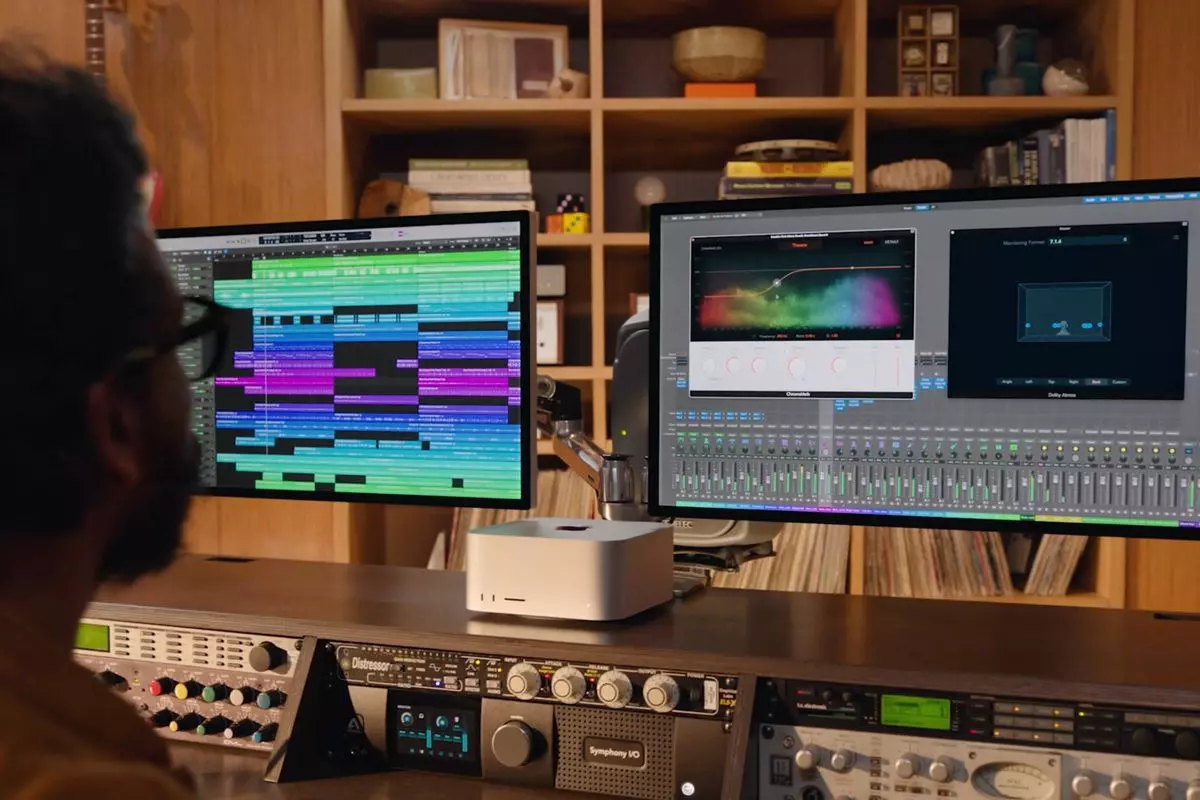
The ecosystem on the side, MAC computer systems are great, some would argue best for coding, design, video work, and sound editing. MAC M2 chip is optimized for all of these tasks and a specially tailored operating system is just the icing on the cake. Specific Apple-made software like a logic pro or final cut also helps a lot to position MAC systems on top of the line.
Reading all of this you might think hey this is the computer for me, it does everything! Sadly the truth is not like that. The first thing that is difficult on MAC systems and a maybe big reason that it is not so adopted outside professional working environment is lack of games. If you are a gamer or plan on using MAC for gaming, well I have some bad news. The second big turn-off is that MAC systems tend to be more expensive than PC systems, yes components are of higher quality but rest assured that you will pay for also for branding.
Get MAC as your workstation for serious work and for good tech support, if you need a plain home computer keep reading.
Windows PC machine
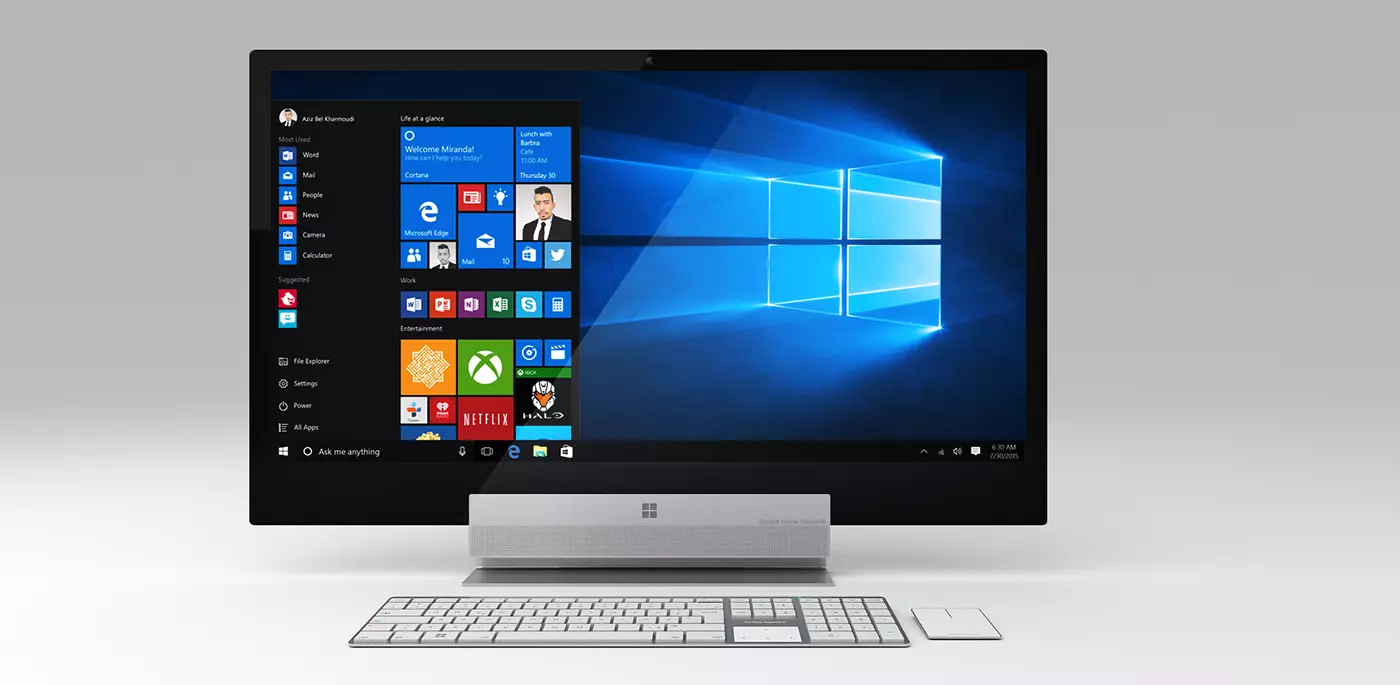
There is no better feeling than assembling your own computer, tweaking hardware to make a monster and despite haters hating, Windows is the best all-around operating system on the market. It is supporting the largest variety of hardware and the largest variety of software.
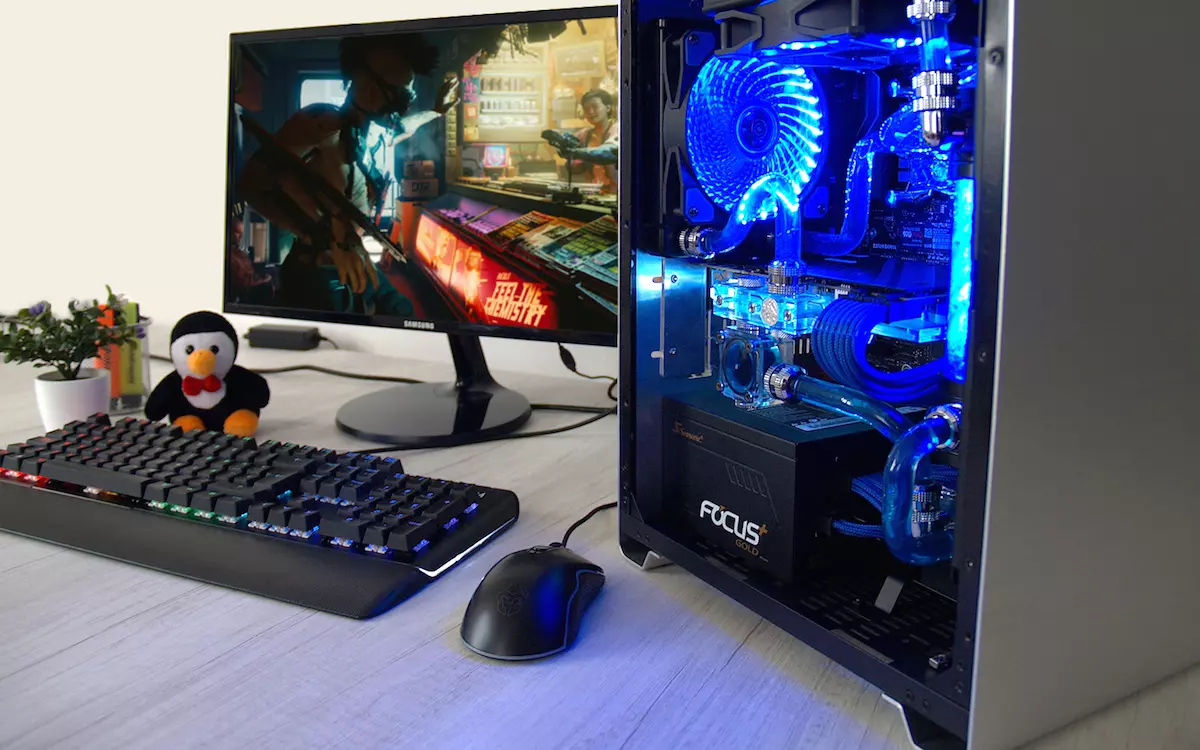
The best platform for serious gaming and streaming Windows machine has cemented itself as a multimedia powerhouse. But, this kind of computer is not alien to being also a professional machine, you can practically do everything that you can do on Apple or Linux machine inside Windows, yes some things might require extra steps or will be slightly slower but in the end, being able to do anything is the greatest strength of Windows machine.
Of course, every system has its flaws and Windows is not immune to that. One of the biggest is being the operating system for every hardware ever made and every software as well while keeping legacy support for old software and hardware, basically, its biggest strength is in the same time its biggest weakness leading to sometimes stability issues. Also being able to place any kind of hardware can also lead to the same stability issues. Executing something a little slower than other systems and having some extra steps can also be looked upon as weaknesses.
Linux system
First and perhaps for some people, the biggest advantage of the Linux operating system is its price, it is completely free! Other advantages include the great server and networking included in the OS itself, the large amount of customization, and unmatched stability. The ability to write scripts inside the OS terminal is also a great thing and coding is much more streamlined and friendlier than on other machines.
The power of Linux is the ability to change anything, even on the system layer, no other operating system will let you change the basic functionality of the OS itself while Linux will let you do this. It is also the only operating system you can fully use by booting it up from a USB stick and having the same experience as it was installed on a local hard drive. Among other OS mentioned earlier, Linux is by far the lightest one, taking the smallest amount of memory among the three.
The bad side of the Linux machine is the steep learning curve, among the three mentioned operating systems rest assured Linux is the most difficult to learn and be comfortable in it. The operating system will require you to know the hardware and how computers work in order to fully use its potential. Other things that place it behind are not so wide hardware support compared to Windows and the somewhat confusing distro model.
Linux versions come in form of different distro packages and first-time users will face many of them being left in awe of which one to choose. Also installing drivers and software via a package system can also be a tedious task as well, often being that some version of the driver will not work on the newer version of the Linux distro.
Get a Linux machine if you are well versed in computer technology, if you want great customization of the OS itself or if you do not want to spend money on OS and software since almost entire Linux software is open source.
Realtek sound device not playing sound is a common Windows issue. It happens occasionally and luckily it can be solved with a little effort and in a short time period. Today in this article we will explore the most common reasons and solutions for driver malfunction for Realtek inside Windows 10. If you have this particular problem, go from step 1 to the last step since all steps are meant to go from simplest to the most complex.
All of that being said let us fix your Realtek driver issue.
Check Speakers or/and Headphones first
The first thing would in any troubleshooting be to check are your speakers turned on or are your headphones connected and the volume or switch on them is set properly. Nothing more embarrassing than spending an hour or so troubleshooting only to find out that issue was in a malfunction of speakers or them not being turned on.
Check the Volume control in Windows
Same as the previous step where you have checked hardware, now it is time to check to see if the volume control is set properly and not by any chance muted or volume is brought all the way down.
Check if the Device Manager is reporting an error and update the driver
If both hardware is functioning properly and volume control in Windows is set correctly then the issue might be in Windows not detecting device or driver malfunction. In any case, the Device Manager will be the one who will report this problem. In order to check to see if the driver is properly working press ⊞ WINDOWS + X to open the hidden start menu.
Once it opens, click on Device Manager to open it,
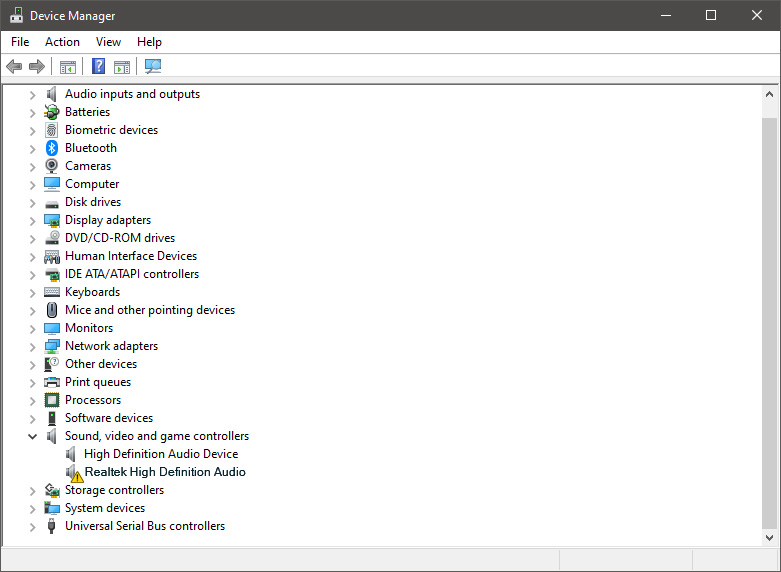
If you have a driver device error inside Windows, you should see it immediately when entering the Device Manager, it will have a yellow exclamation mark beside it. Right-click on it and choose update driver.
Reinstall driver
If driver update failed or you already have the latest drivers, reinstalling them could fix the issue since drivers might have corrupted during installation of some update or application. Follow steps from point 3 to get to the driver in Device Manager, then right-click on it but instead of update choose to uninstall. Reboot Windows once the driver is uninstalled and Windows will install a new one.
Check Windows update
Check to see if the latest Windows update is installed, update your Windows if needed
Fix driver issue with DRIVERFIX
If everything else fails, get DRIVERFIX, a premium solution for your PC issues, and fix driver errors.
If by any chance your search result in Windows is misleading, missing, or incorrect then it is a high probability that your search index is out of date. To repair this issue follow this guide step by step.
Please take note that rebuilding the whole search index can take a long time on some systems depending on the size of the index itself, CPU speed, HD speed, etc. Sometimes it can take even hours on large drives.
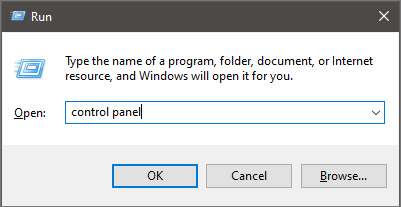
First, press ⊞ WINDOWS + R to open the run dialog and type in it Control panel to open the control panel.
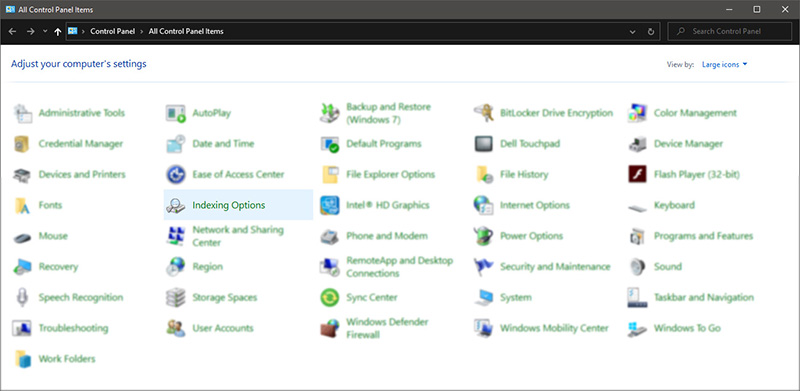
Once you are in the control panel, switch your view to large icons and locate Indexing options.
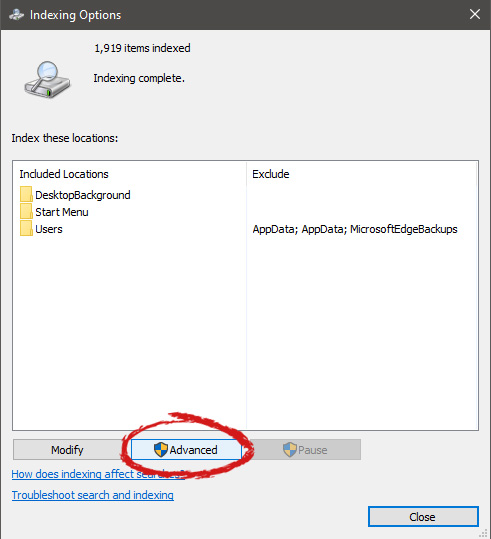
Inside indexing options, click on advanced.
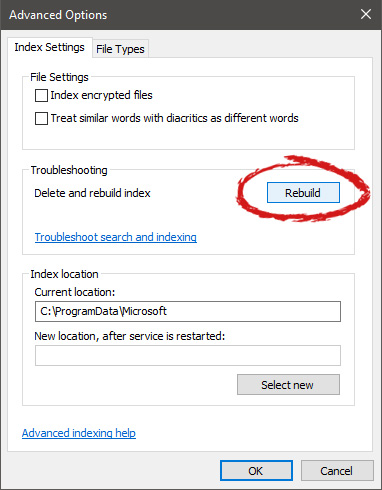
In advanced options click on the rebuild and confirm.
Leave your computer to finish and your searches should be working fine now.
If you have just installed the latest Cumulative Update on your Windows 10 computer and you find that since then, the Windows 10 Start Search is not displaying any results when you try to use it to search for something in your computer, then this post might help as it will give you some suggestions to fix the problem.
This problem might be caused by some bugs brought in by the new cumulative update you’ve installed. It is also possible that Cortana is having some issues or that the Windows Search service hasn’t been initialized. Whatever the cause is, here are some suggestions you need to follow to fix this issue. You can try running the Search and Indexing troubleshooter or configure the
Run Search and Indexing Troubleshooter
Configure the Windows Firewall
Reinstall Cortana.
Option 1 – Try to run the Search and Indexing troubleshooter
The first thing you can do is to run the Search and Indexing troubleshooter in Windows 10 as it checks whether the settings for Cortana are in place and automatically corrects any issues if the update or software installation has changed the settings. To run it just click on the Start button and select Settings > Updates and Security > Troubleshoot. From there, select the Search and Indexing Troubleshooter.
Option 2 – Restart Cortana’s process in the Task Manager
Restarting Cortana’s process in the Task Manager could also help you resolve the problem. Refer to the steps given below to do so.
Tap the Ctrl + Alt + Del keys to open the Security options window.
From there, look for the Task Manager in the given list and open it.
Next, look for the process of Cortana and right-click on it, and then select the End Task option to end its process.
After that, the Cortana process will restart by itself and re-initialize.
Option 3 – Try resetting Cortana
Open Cortana and go to the Settings section where you’ll see the “Turning off Cortana clears what Cortana knows on this device, but won’t delete anything from the Notebook. After Cortana is off, you can decide what you’d like to do with anything still stored in the cloud” option. Turn this option off.
Restart your PC.
After your computer boots, launch Cortana again and check.
Option 4 – Try to configure the Windows Firewall
Tap the Win + Fn + Shift (Pause) keys to open Control Panel.
From there, open the Windows Defender Firewall applet and click on the Advanced Settings to open the Windows Firewall with the Advanced Security panel.
Next, click on the Outbound Rules section and look for Cortana and then double click on it to open its Properties.
After that, make sure that the “Allow the connection” is selected although this is the default working setting.
Option 5 – Try to reinstall Cortana
If none of the options given above works, you must consider reinstalling Cortana.
First, right-click on the Taskbar and select the Task Manager.
Next, select File menu > Run new task and type “Powershell” in the field and then select the “Create this task with administrative privileges” option.
Click on OK to open the PowerShell console.
After that, type the following command and hit Enter to execute it:
One of the most common and bothersome issues with a printer is when it refuses to get configured or set up on your computer. Thus when your printer has some configuration issues, you will most likely encounter the error 0x00000709.
This occurs if there is already a default printer set and configured or Windows does not want to configure the new printer at all.
The operation could not be completed (error 0x00000709), Double check the printer name and make sure that the printer is connected to the network.
Today, we will try two fixes that may help you get rid of this error.
Option 1 – Run the Printer Troubleshooter
One of the first basic troubleshooting you can perform to resolve the printer issue is running the Printer Troubleshooter. This built-in troubleshooter can detect and automatically fix the problem for you. To use it, follow these steps:
Tap the Win + R keys to open the Run dialog box.
Next, type “exe /id PrinterDiagnostic” in the field and click OK or hit Enter to open the Printer Troubleshooter.
Then click the Next button and follow the next on-screen instructions to fix the issue with the printer.
Option 2 – Try to use some Registry tweaks to add the Printer
You might want to use some tweaks to add the Printer but before you proceed, make sure to create a System Restore Point so that if anything goes out of hand, you can always undo the changes you’ve made.
Tap the Win + R keys to open the Run dialog box.
Next, type “Regedit” in the field and hit Enter to open the Registry Editor.
When a UAC or User Account Control prompt appears, click Yes.
Once you’ve opened the Registry Editor, go to the following key location:
From there, double click on the file named “Device on the right side pane under the Windows folder.
Now add the name of your printer in the Value Data field as you can see below and then click the OK button.
Note: As you can see on the image above, you must not change the “.winspool.Ne02:” part and only the first one which is the name of your printer.
After that, you will get a message that says, “Cannot edit Device: Error writing the value’s new contents, simply click on OK again. You have to take note of the existing permissions before you proceed to the next step. Once you’ve added the Printer, make sure to reverse the changes you’ve made to the Permissions.
Now right click on the Windows folder located on the left pane and click on Permission.
Select Restricted under the Group or user names section.
Then check the checkboxes for “Full Control”, “Read” and “Special Permissions” under the Permissions for RESTRICTED section.
After that click the Apply button and then OK to save the changes made.
Next, right-click on the file named “UserSelectdDefault” and select Rename to rename it to your printer’s name.
Now restart your computer to successfully apply the changes made.
After the printer is added, don’t forget to reverse the Permission changes you’ve made early on.
Option 3 – Try updating the Printer drivers
You might also want to try updating your printer drivers. All you have to do is locate the USB Composite Device. For complete details, follow the steps below.
First, click the Start button and type “device manager”.
Then click on the “Device Manager” from the search results to open it.
From there, look for the USB Composite Device option and right-click on it, and select the Update Driver from the options.
Restart your PC and then click the “Search automatically for updated driver software” option.
Note: You also have the option to download the latest version of your Printer from the manufacturer’s website.
If you encounter an error message saying, “The connection was denied because the user account is not authorized for remote login” when you try to establish a remote connection, read on as this post will help you resolve the problem. This kind of error occurs when the targeted host does not allow you to access that system remotely. Based on the error, you are not authorized to log in remotely which means that you need to obtain the correct permission.
There are several potential fixes you can try for this error. You can try to check the Remote Desktop Users group or add users to the Security group or check the Remote Desktop Service itself.
Refer to the options provided below for more detailed instructions to fix the “The connection was denied because the user account is not authorized for remote login” error.
Option 1 – Try checking the Remote Desktop Users group
You can encounter this error when the Remote Desktop Users group does not have any permission for your user account that you are using to establish a remote connection. Thus, you need to make sure that your user account is a member of the Remote Desktop Users group. How? Refer to these steps:
Tap the Win + R keys on your keyboard and then type “cmd” in the field and tap Enter or click OK to open Command Prompt.
After opening Command Prompt, type the “lusrmgr.msc” command and tap Enter to execute it.
Alternatively, you can also search for “lusrmgr.msc” in the Start Search and once you’ve opened it, select Users and then double click on your user name to open its Properties.
From there, switch from the “General” tab to the “Member Of” tab.
Next, if you can’t see any Remote Desktop Users group under the Administrator, you have to add it. To do that, just click on the Add button.
After that, on the newly opened window, click on the Advanced and Find Now buttons, respectively.
And in the Search results box, double click on Remote Desktop Users.
Now click on the OK button to save the changes made and check if you can now connect to a remote host or not.
Option 2 – Try to add a user to the Security group
You can actually block or allow a user from logging on through the Remote Desktop Services. However, if you do not have the right setting, you won’t be able to use this functionality. Thus, you need to confirm this setting. To do that, follow the steps below.
In the Start Search, type “secpol.msc” in the field and tap Enter to open the Local Security Policy panel.
From there, go to User Rights Assignment.
Next, look for a policy named “Allow log on through Remote Desktop Services” located on your right-hand side and then double click on it to open its Properties.
If you were not able to find the Remote Desktop Users under Administrator, then you have to add it by simply clicking on the Add User or Group button.
After that, enter “Remote Desktop Users” in the blank field and click the OK button to save the changes made.
Now restart your computer and try connecting again to the remote host.
Option 3 – Try checking the Remote Desktop Users group
There is a service that’s supposed to be running and needs to be set up correctly for you to connect to the remote host. And so you need to ensure that this service is up and running. To do so, follow these steps:
Tap the Win + R keys to launch the Run utility.
Then type “services.msc” in the field and hit Enter or click OK to open the Services Manager.
Next, look for the Remote Desktop Services and double click on it to open its Properties.
After that, go to the “Log On” tab and select the “This account” option and then click on the Browse button.
On the next screen that appears, look for the Advanced button and click on it and use the Find Now button to search.
You will see “NETWORK SERVICE”. Double click on it and then save the changes you’ve made to the settings.
Finally, restart your PC and see if the problem is now fixed.
If you are trying to install or reinstall a program on your Windows 10 computer but encountered an error instead that says, “Fatal error, Installation fails, Installation ended prematurely because of an error”, then you’ve come to the right place as this post will guide you how you can fix it.
This kind of error is most likely caused by some files that may have been left behind by the previous installation of the program. Each time a program is uninstalled, it leaves behind its files and if the uninstallation process wasn’t completed properly, then it would result in errors like the
“Fatal error, Installation fails, Installation ended prematurely because of an error”.
Moreover, this kind of error is a generic one that can also occur with any software reinstallation or installation. And to fix this error, there are several suggestions you must check out. You can try to install or reinstall the program in a Clean Boot State or restart the Windows Installer Service. You could also try to re-register the Windows Installer Service or re-register the VBScript.dll file.
Option 1 – Install or reinstall the program in a Clean Boot State
It is possible that there are some third-party applications in your computer that are preventing the program from getting installed and to isolate this possibility, you need to boot your computer in a Clean Boot State and then try installing the program again. Putting your computer in this state can help you identify which program is the culprit and thus isolates the problem. In a Clean Boot state, your computer will start using only the pre-selected minimal set of drivers and startup programs. Note that you have to disable and enable one process at a time.
Log onto your PC as an administrator.
Type in MSConfig in the Start Search to open the System Configuration utility.
From there, go to the General tab and click “Selective startup”.
Clear the “Load Startup items” checkbox and make sure that the “Load System Services” and “Use Original boot configuration” options are checked.
Next, click the Services tab and select the “Hide All Microsoft Services” checkbox.
Click Disable all.
Click on Apply/OK and restart your PC. (This will put your PC into a Clean Boot State. And configure Windows to use the usual startup, just simply undo the changes.)
After you’ve set your computer into a Clean Boot State, make sure that you’re signed in as administrator and then try to install the program again.
Option 2 – Try to restart the Windows Installer Service
The next thing you can do to fix the problem is to restart the Windows Installer Service. To do this, follow these steps:
Tap the Win + R keys to launch the Run utility and type “services.msc” in the field and then hit Enter to open the Windows Services Manager.
Next, look for the Windows Installer service among the list of services shown.
Once you found it, right-click on it and open its Properties.
From there, click on the Stop button and then click on the Start button.
But if it isn’t running, then just click on the Start button.
Option 3 – Try to unregister and re-register the Windows Installer Module
Tap the Win + R keys to open the Run dialog box.
Then type the “msiexec /unregister” command and hit Enter to unregister the Windows Installer Module.
Next, type the “msiexec /regserver” command and hit Enter to re-register the Windows Installer Module.
Now restart your computer and see if unregistering and re-registering the Windows Installer Module fixed the problem or not.
Option 4 – Try to re-register the vbscript.dll file
You may have to re-register the vbscript.dll file using the regsvr32.exe before you can successfully install the program and fix the error. The Regsvr32 tool is a command-line utility that can be used to register and un-register the OLE controls like DLL and ActiveX (OCX) control in the Windows operating system. Follow the steps below to use it.
Open Command Prompt as admin from the WinX menu.
Next, type regsvr32.exe vbscript.dll in the elevated Command Prompt and hit Enter to execute the command. This will re-register the affected DLL file using the Windows operating system tool, regsvr32.exe.
You should see a message saying, “DllRegisterServer in vbscript.dll succeeded” if the Regsvr32 tool was able to run successfully. After that, try to install the program again and see if it now works.








 Once it opens, click on Device Manager to open it,
 If you have a driver device error inside Windows, you should see it immediately when entering the Device Manager, it will have a yellow exclamation mark beside it. Right-click on it and choose update driver.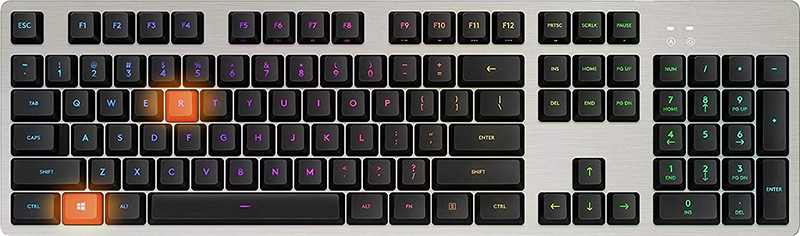
 Once you are in the control panel, switch your view to large icons and locate Indexing options.
 Inside indexing options, click on advanced.
 In advanced options click on the rebuild and confirm.
 Leave your computer to finish and your searches should be working fine now.